🎉 Happy 6th Birthday to the Bloggy Friends Show

Six years ago today, I did something that terrified me. I hit publish on the very first episode of the Bloggy Friends Show. And I did it on April 1st on purpose, because I figured if it was a total disaster, I could just tell everyone it was an April Fool’s joke. Yes, really. 😅

What I didn’t know then was that one scared little publish button click would change the entire course of my career.

The Idea That Sat on the Shelf for Four Years

I first thought about starting a podcast back in 2016. I had the idea. I had the drive. What I didn’t have was the courage. So the idea just sat there, collecting dust, while I talked myself out of it over and over again.

Then, in 2019, the GoDaddy team assigned me a post about podcasting for their resources page. I figured if I was going to write it, I needed to actually know what I was talking about. So I headed to Podcast Movement 2019 and spent a week absorbing everything I possibly could about how to start a podcast.

I came home and wrote that post with one quiet thought in the back of my mind: maybe one day I’ll actually do this myself.

Spoiler alert. I did.

The People Who Made It Happen

Writing that post led me to the team at RSS.com. And meeting them changed everything.

With the encouragement of co-founders Alberto Betella and Ben Richardson, and their incredibly supportive Marketing Director Brian Jensen, I finally stopped waiting and started doing.

On April 1, 2020, I released the first episode of the Bloggy Friends Show. Mid-pandemic. On April Fool’s Day. With absolutely zero certainty that anyone would care. 🙃

They cared. And I was hooked from the very first episode.

What Six Years of Podcasting Has Actually Looked Like

I started as a print journalist back in 2007. Blogging came into my life in 2009 when I saw that the world of media was shifting fast, and I knew I had to keep up. Podcasting felt like the next natural step in that same direction.

But I had no idea how far it would actually take me.

Since that first episode, I’ve interviewed dozens of incredible people. I’ve written about podcasting for some really cool companies, both under my own byline and as a ghostwriter. 👻 I had the privilege of hosting Podcasting 101 for RSS.com for two full years.

Last year, I launched my second show, a fitness podcast called More Movement Please. It just hit 50 episodes. That one has opened doors I genuinely didn’t see coming, and I’m so proud of what it’s becoming.

What’s Coming Next (the Stuff I CAN Tell You)

Later this year, I’ll be hard-launching a brand new show. If you’re a good investigator, you might be able to find the two test episodes that are already out there. 🤣

There are more audio projects in the works too. But those are still under wraps for now. 🤫

What I can tell you is that it feels like every single thing I’ve done in my career up to this point has been leading somewhere. I’m more excited about what’s ahead than I’ve ever been.

What I Want You to Take Away From This

Most podcasters don’t even make it to six episodes. I want that to sink in for a second. Six. Episodes. And I’m six years in with zero plans to slow down. Heck, if anything, I will be revving this engine all the way up!

If you’ve been sitting on a podcast idea the way I sat on mine for four years, I want you to know something. The gear doesn’t have to be perfect. The timing doesn’t have to be perfect. You just have to start.

I recorded my first episodes with basic equipment and more fear than confidence. Today, I record my fitness podcast from my car. Seriously. And it sounds great. If you’re curious how I do that, I’ve got everything you need right here at famousashleygrant.com/car.

Check out this video “How I Started a Podcast … From My Car…” to see how I do it:

A Big Thank You

To every person who let me interview them. To everyone who has shared the show, told a friend, or sent a kind message. To Alberto, Ben, and Brian for believing in this before I fully believed in it myself. And even to the people who tried to talk me out of some of my goals and plans: thank you too. Seriously. You kept me motivated in your own way. 😄

Do you need a podcast guest? Hit me up! I’d love to chat about podcasting, blogging, fitness, freelancing, and trying to get internet famous. 🤪

You can find the Bloggy Friends Show right here: rss.com/podcasts/bloggyfriendsshow

Here’s to the next six years and beyond. As I always say at the end of every episode: may your page views be high and your bounce rate be low! 🥳

How to Land Brand Sponsorships at Any Follower Count with Justin Moore

Ready to monetize your content but not sure where to start? This episode with sponsorship coach Justin Moore gives you a clear, step-by-step approach to landing brand deals no matter how big or small your audience is right now.

Listen to the episode here:

You don’t need 10,000 followers to land a brand deal. You don’t need to be verified. You don’t need a massive email list or a viral moment. What you need is the right strategy, and that’s exactly what this episode is all about.

In this episode of The Bloggy Friends Show, Ashley Grant sits down with Justin Moore, sponsorship coach, founder of Creator Wizard, and author of the book Sponsor Magnet. Justin has personally closed over 600 brand deals, made more than $5 million working with sponsors, and ran an influencer marketing agency for over 7 years. He knows what brands are looking for because he has been on both sides of the table.

Whether you are brand new to content creation or trying to restart your monetization efforts, this episode is packed with practical, no-fluff advice you can use right now.

Why Most Sponsorship Pitches Fail Before They Even Start

Justin is direct about this. Most creators pitch brands by talking about themselves. They say things like “I love your product, I’ve used it for three years, I think we’d be a great fit.” And then they hear nothing back.

The problem is that brands don’t have random piles of money sitting around waiting for creators to ask for it. They have budgets already set aside for specific goals. Your job is to figure out what those goals are and show them how you can help them hit those targets.

That shift in thinking changes everything.

The Sponsorship Continuum: A Framework for Every Stage

Justin created something he calls the Sponsorship Continuum, and it is one of the most useful frameworks in this episode.

Here is the basic idea. Where you are in your content creation right now determines what you should be pitching, not whether you should be pitching at all.

If you are just starting out with a small audience, pitch brands on creating content for them directly. This is called UGC or user-generated content. You are making videos, photos, or written content that the brand can use on their own platforms. Your content is the product. Your audience size is not the point yet.

As your audience grows, you can start combining content creation with promoting that content on your own channels. You become more valuable because now the brand gets both the asset and the exposure.

When your audience is large and engaged, the pitch becomes about reach. Now brands want you talking about them to your people because that moves the needle for their sales.

The big takeaway here is simple. There is no magic number you have to hit before you can start. The approach just changes depending on where you are right now.

How to Figure Out Which Brands to Pitch

Justin has a clear answer for this, and it starts with your audience, not your own preferences.

Most creators make a list of brands they personally use and love. That feels logical, but it is only half of the picture. Brands want to know that your audience is interested in what they sell. So the smartest thing you can do is survey your audience first.

Ask your listeners, readers, or followers what problems they are dealing with. Ask what products they are already using. Ask about their daily lives. The answers will point you toward brands you never would have thought to pitch on your own.

Justin shares a great example in the episode. If your fitness podcast audience turns out to include a lot of stay-at-home parents, suddenly a kids’ learning app becomes a surprisingly natural fit. You would never have guessed that without the data.

That survey data also makes your pitch much stronger. Instead of saying “I think my audience would love your product,” you can say “35% of my audience told me they struggle with the exact problem your product solves.” That is a very different conversation.

Turning an Affiliate Deal Into a Paid Sponsorship

Ashley shares in the episode that after her first pitch attempt, the brand came back with an affiliate deal instead of a paid partnership. Justin explains why that happens and exactly how to move forward from there.

Affiliate deals are great for brands. They pay nothing until you generate a sale. For you, though, it costs time, effort, and your credibility with your audience.

The way to shift the conversation is to highlight what an affiliate deal does not give the brand. They do not get to control the messaging. They cannot repurpose your content for ads. They have no guarantee you will mention them prominently.

A paid deal solves all of that. You can offer them a concept for approval, a draft to review, and full rights to repurpose the content for paid advertising. That is a completely different value proposition, and it opens the door to a real budget conversation.

Key Takeaways From This Episode

Here are the action items worth writing down after you listen.

Stop pitching yourself and start pitching outcomes. Research the brand’s current campaigns and lead with how you can help them hit a specific goal.

Survey your audience before you build your pitch list. Let their answers guide you toward the right brands, not just the ones you personally like.

Start where you are. If your audience is small, pitch UGC work. Build your portfolio, collect testimonials, and grow from there.

Reframe affiliate deals as a starting point. Use them to get on a brand’s radar, then show them what a paid partnership can do that an affiliate deal cannot.

Think beyond social media. Sponsorships work for podcasts, newsletters, in-person events, private communities, and more. If you have an audience, you have something worth sponsoring.

Check Out Justin’s Offers!

Links from the episode:

– Get Justin’s book Sponsor Magnet: https://creatorwizard.spiffy.co/a/VZ5uWgzy7a/5944

– Grab your ticket to Sponsor Games: https://creatorwizard.spiffy.co/a/KEZH5l4B75/5944

– Join Justin’s next $10K Brand Deal Challenge https://creatorwizard.spiffy.co/a/5J3i2oGowa/5944

– Join Wizard’s Guild (Weekly Sponsorship Coaching) https://creatorwizard.spiffy.co/a/LmPIxbv2aV/5944

The links above are affiliate links. This means my podcast will receive a small commission if you order through any of them at no additional cost to you. Affiliate commissions are one of the ways my podcast makes money so that I can create episodes free of charge. If you do purchase anything from my links, I sincerely would like to thank you for your support!

Transcript of How to Land Brand Sponsorships at Any Follower Count with Justin Moore

Ashley Grant [00:00:10]:
What’s up, my bloggy friends? Famous Ashley Grant here, and I’m so excited about today’s guests because if you have ever wanted to land brand sponsorships for your content but had no idea where to start, this episode is for you. Joining me today is Justin Moore, sponsorship coach and founder of Creator Wizard, and he’s also the author of the book Sponsor Magnet. Justin has been a full-time creator for over 8 years alongside his wife, April, and has personally made over $5 million. Yeah, you heard that right. $5 million working with brands. He also ran an influencer marketing agency for more than 7 years. So that means he has a rare inside look at exactly how brands decide who to partner with and why they pass on everyone else. His mission is to help creators big and small land 1 million paid brand partnerships by 2032.

Ashley Grant [00:00:56]:
I hope you guys enjoy this episode as much as I enjoyed it. I had a blast recording this. He is such an awesome guy. Let’s get into it. So welcome to the show, Justin. I’m crazy stoked you’re here, if you can’t tell already. I just did your, uh, it was the December cohort of All the Things. So how is it that you got into this face.

Ashley Grant [00:01:21]:
I mean, I know I’ve heard the story before, but for people who don’t know, how on earth did you become a sponsorship coach?

Justin Moore [00:01:26]:
My goodness. So I owe all credit to my wife actually. So my wife, my wife April started, uh, a YouTube channel in 2009 and I was in medical devices at this time, completely unrelated to, you know, social media, creator economy. Um, and she just started making, uh, videos around beauty and skincare and she had a personal interest in that. Didn’t know anyone in her real life that was into that kind of thing. And so, just started making videos for fun. Remember, you gotta remember back in 2009, uh, you really couldn’t make money on YouTube in particular. Like they, the partner program was just starting, but it was application only.

Justin Moore [00:02:02]:
Like it wasn’t like it is now, um, where you could meet just a certain threshold and then you’d get in. Um, and she, in fact, she, in fact, she got rejected 3 times for the partner program before she got in. So it, it very much was like a, a bumpy start. Um, but what happened was brands started reaching out. Pretty quickly, but not offering to pay her. It was, hey, we’ll give you free stuff. Right? And we were in our early 20s at the time. We had no money.

Justin Moore [00:02:25]:
We were living in a studio apartment and free stuff to us was like, let’s go, you know, like, well, to her, because I was like, I mean, makeup is expensive. So like she was getting a bunch of free makeup. That’s awesome. Let’s go. Right. And so, um, and that was the way it was for years, actually. It wasn’t like we wised up after like a, uh, you know, 1 or 2 free products. It was like, For years, yeah, send over the free stuff, make a video about it, this type of thing.

Justin Moore [00:02:47]:
And so what happened was I decided to go back to school to get my MBA at night after work. And I started taking all these classes around, uh, advertising and negotiation and, um, and marketing and kind of the gears started turning. I would see hundreds of comments on all of April’s posts saying, oh, April, thanks so much for telling me about this product. I just went to the store and got it, or I went to their website and picked it up. Thank you. And I came home and I told April one time, I was like, honey, I think you’re getting the short end of the stick here. Like a free $30 hair curler is not adequate compensation for the value you’re providing to these brands. And so I said, the next time a brand wants to work with you, ask them if they have a budget to collaborate.

Justin Moore [00:03:27]:
And she’s like, there’s no way anyone’s going to pay me money for this. And I was like, just give it a shot. So sure enough, next brand said, you know, asked to collaborate. Hey, do you have a budget? They said, oh yeah, if you could include us in 2 YouTube videos a month, we will pay you $700 monthly., and we were like, mind blown, explosion. ‘Cause like $700 was like a massive chunk of our rent at the time. And we were thinking to ourselves, how can we find 10 more brands just like this? Right? And so fast forward over the, you know, the next 15+ years, we’ve done close to 600 sponsorships personally now, made over $5 million doing it. Um, and so brand partnerships was always like a really big part of our revenue stream. Um, but In 2015, I was like, you know what, I think I might be able to get these deals for other creators, not just for ourselves.

Justin Moore [00:04:13]:
And so that led me to, I launched an influencer marketing agency, paid out millions of dollars to other creators. And so I had this kind of perspective of both sides where I’ve been in the trenches for many years doing deals, ran the agency, been in the boardrooms with these big brands now where they’re spending millions of dollars now. And so about 6 years ago, I decided to just start making some YouTube videos about this. How do you like behave on a phone call with a brand? How do you, how do you know how much to charge a brand? How do you pitch a brand? What do you say when you try to get on their radar? And so this ultimately led me down the road of coaching other creators and for a very, very interesting model. And we could talk about it, but this, this very surprising business where I’m doing the sponsorship coaching was born.

Ashley Grant [00:04:57]:
That’s so insane because it’s like You created something from nothing and that’s obviously my favorite part about it because I am a content creator myself. I, I started dabbling in 2007, went, I guess you’d call it pro in 2011 in the sense that I was finally getting paid. And then in 2014, ghostwriting actually landed in my lap. And then I was like, oh, wait a minute. Now I’m doing it full time, but I’m not getting any credit, but I’ll take their cash. And so the reason I was excited to learn more about this sponsorships is now that I’m trying to step back into the spotlight and put my own name on things, I’m like, okay, how do I get that? How do I get what you got? So the person who’s listening to this, who’s like, okay, wait, I’m a small brand, Justin. Like, you’re okay, $5 million, good for you. How the hell do I get started?

Justin Moore [00:05:40]:
What would you say to them? It’s a great question. And I think one of the biggest learnings having started coaching over the, you know, over the last number of years is sometimes you have the trap of expertise, right? You’ve been doing something for so long that it’s like, it’s kind of hard to remember what it was like in the very beginning. Thing, but I’ve been living in this, working with creators day in and day out who are at that place that you’re mentioning, kind of in the early stages, let’s say less than 1,000, you know, subscribers, followers, audience size, whatever. And so I developed this framework that I call the sponsorship continuum that I think would be helpful to kind of chat through right here because I think a lot of people look at sponsorships as very simplistic. It’s like, okay, A brand deal is when a brand pays me to talk about them on my platform, on my newsletter, on my podcast, on my social media, whatever. Um, and that’s the only way in which I could ever get sponsored. Um, and then they don’t even get out the front door because they think, well, I don’t have enough followers to justify a brand wanting to invest in me to talk about them. Right.

Justin Moore [00:06:43]:
And so they just say, okay, well, I guess sponsorships are for people who are larger, or I need to get to 10,000 followers, or maybe some brand told you one time, oh, we, you have to have a certain audience size to, for us to collaborate with you. And so you felt like, well, I guess I guess that’s what everyone brand thinks. And so I guess I’ll just have to wait. And that is absolute BS. That’s not true at all. But you have to look at it from the brand’s perspective. Yeah. If you reached out now with, you know, a couple hundred followers or a couple hundred views or downloads on average for your posts on your, you know, videos or podcasts, think about it from the brand’s perspective.

Justin Moore [00:07:17]:
Like, it’s probably not going to move the needle for them if you were to talk about them on your posts, right? And so that’s not what you should pitch them. Right. And so, um, in the early stages, it’s a much more productive, uh, approach to do an analysis of the brand’s social presence. So I’m going to see, okay, are they, do they have a podcast? Are they on social media? How often are they posting? Does the content suck? Right. Um, are they running ads or did they have a blog? Did they have a newsletter? So you’re kind of doing this analysis to see. How are they thinking about content generally to attract customers? And so when you reach out to them, you say, hey, love your brand, but I just did this comprehensive audit of like kind of how you’re appearing and showing up on social media. I think you could be telling your brand story in a more compelling way. I would actually love to create some content for you that you can use on autopilot and repurpose on your platform, what’s called owned and operated platforms on your social media for your paid advertising., to help you, uh, stand out.

Justin Moore [00:08:20]:
And oh, by the way, go take a look at my website or my podcast or my YouTube channel. That’s my portfolio. So what you’re pitching is different. And so this is sometimes called UGC or user-generated content. Well, you’re actually creating content for the brand to repurpose. So that’s at the very beginning of the continuum, right? Where you’re, where you’re small and you’re just starting out, you’re building up this kind of portfolio to show that you can do good work for brands, right? You can get some testimonials, you can get some case studies under your belt. Then let’s say you grow a little bit, Ashley, right? You’re now getting thousands, uh, you have a couple thousand people in your audience or views on your videos or whatever. Um, what you’re pitching to the brand is probably a combination now of content for them to use.

Justin Moore [00:09:03]:
Maybe you’re doing, uh, you’re repurposing that or syndicating that on your platforms now because that starts becoming meaningful. Maybe you’re doing even a little bit of consulting for them now where you’re advising them on what their strategy should be. Um, and then now let’s say you really grow significantly. You’re on the far end of the continuum where you’re crushing it. You’re getting tens of thousands, hundreds of thousands of views. Yeah. The thrust of what you can propose or pitch to a brand is now I’m going to talk about you on my platforms because that’s going to be really move the needle for you. And so, um, the reason that I share this continuum idea is it’s very liberating, I hope, to anyone listening or watching, which is that like there’s no arbitrary threshold here.

Justin Moore [00:09:40]:
Of like, I need to reach this certain milestone before I can have the permission to reach out to a brand. And the other really beautiful thing is that the more narrow your niche is, the less, you know, audience size you need to have because there’s just less people out there to, you know, for these brands in these niche industries to collaborate. And I can share some stories on that front. But like generally, I just think it’s this, it’s this idea that like there is no arbitrary of following that you need to hit.

Ashley Grant [00:10:07]:
I think that’s definitely going to make a lot of people feel better. I know it makes me feel better. I remember a brand very early on, they’re like, no, we won’t even talk to you unless you have 10,000 followers. And I remember I bought this course to try to learn how to get a bunch of followers. And I actually built my Facebook page to 12,000 followers, but it still wasn’t aligned with who I wanted to pitch. And so it was like, well, what good did that do me? I just kind of wasted my time and energy. But it sounds like what you’re, what you’re saying is you’re not just pitching someone like, hey, give me money because I love you. You’re pitching a media partnership.

Justin Moore [00:10:40]:
Does that sound about right? Yes, and really what you’re pitching is to help them accomplish a business outcome. That at the end of the day is the, is really the only reason that a brand would want to hire you. And I’m glad we’ve arrived at this because there’s a very important concept that I think we should discuss, uh, that will help you finally get these brands to open their wallets, which is the phrasing of a lot of outreach that people, you know, creators, entrepreneurs try to do when they reach out to a brand or an enterprise is they say, uh, hey, look at me, I’m awesome. I’ve got all these, I’ve got this cool web series or I’ve got this podcast or I’ve got this following. Um, will you, I think your brand would be a great fit. I’ve used it for 3 years. Uh, let’s collaborate, you know, this type of idea. Um, and that is an absolutely awful pitch.

Justin Moore [00:11:30]:
And you want, you know how I know that that’s an awful pitch? It’s because that’s what we did. That’s exactly what we did starting out. Right. And we heard crickets until again, I started taking these classes and we got some reps and we understood that brands don’t have random piles of money laying around to sponsor people that reach out to them. They just simply don’t, but they do have big piles of money laying around that have been already allocated for something called their internal initiatives, their budgets that they’ve allocated to accomplish those business objectives. And so your job when you do this type of research that I teach is to try to infer what’s important to them. You can do this in a lot of ways. You see what campaigns they’re running.

Justin Moore [00:12:11]:
You look at the ads they’re running. You see what types of campaigns they were running last year. You know, if we’re trying to lock down a summer campaign right now, what were they running last summer? They’re probably going to run that campaign. Another 4th of July campaign, probably going to run that again. And so, Um, if you lead with what’s important to them, um, then all of a sudden they say, oh, okay. Yeah. Ashley seems like she’s going to help us drive more sales for our 4th of July campaign. Let’s push, let’s slide $10K of that $100K summer budget over to Ashley because she’s going to help us, you know, drive the needle, move the needle on that, on that campaign.

Justin Moore [00:12:47]:
And so this is a really, really important concept to understand is that you have to lead with what’s important to them, what’s in it for them.

Ashley Grant [00:12:53]:
It’s not about you. Yeah, it’s funny you say that because I was actually working for a client and they said that every single thing they do whenever they’re talking to their customers is they have the WIIFM technique, what’s in it for me? And so that they push that down our throats like the whole time. And I get that now and it makes complete sense, but I have to tell you, and I haven’t told anybody this, it’s our little secret, you know, between us and everybody listening. I, um, I, after I did your cohort, I actually went and thought, you know what, I’m ballsy. I got some followers. I think I could do this. And I pitched a brand and Lord have mercy, it was awful. I will not say what the brand was, but they literally were like, we see no return on investment of any value to, to do this.

Ashley Grant [00:13:34]:
Like, what, what, what would you do for us that would actually move the needle? And so it’s interesting you saying that, cause I was just like, yeah, I, I, I need to go back and reread the book and go through all the videos.

Justin Moore [00:13:47]:
Well, first of all. I want to compliment you though, because you did a lot more than what a lot of people do. A lot of people go through the 10K Brand Deal Challenge, this live workshop that I do, and they don’t do anything. They don’t do what you did. And so just the fact that you got, that you sent it and they responded is way more than most people get. So I just want to give you your props here.

Ashley Grant [00:14:04]:
Well, and we had a video call too. And so it was, it was good feedback. Like I recorded it and I was like really listening to it. What’s funny is I did get an affiliate partnership with them. So I think that’s a win. Because now I can possibly show them, no, really, I know what I’m doing. Right. Right.

Ashley Grant [00:14:20]:
So, and in fact, let’s, let’s actually jam on that if you’re okay with it. Let’s say you do land an affiliate partnership. How can you translate that into something where they’re like, okay, not only will we pay you if you get us, you know, income, but we’ll also pay you to go get said income.

Justin Moore [00:14:35]:
Yeah. So, so this is a very common, um, complaint that I hear from people, which is like you, they, they did what you just did. They pitched the brand and the brand says, yeah, sounds great. Drive us sales and we’ll send you 20% every time you commission, every time you generate a sale. Um, and like, again, think about it from the brand’s perspective. I do this a lot. Let’s put our hat on, pretend we’re the brand. This is the ideal scenario for them.

Justin Moore [00:14:57]:
They have this like army of evangelists loudly championing them for free. They have to expend no money until you generate a sale. Meanwhile, you are expending social capital to make this recommendation, generate content containing a promotion for the affiliate. And so it’s a non-trivial exercise for you. So I just want I want to like acknowledge that piece of it. And so like, yeah, of course the brand is going to be like, you know, want that type of setup. But there’s a lot of things that the brand is not afforded in an affiliate relationship. Largely, they are not privy to how you are ultimately going to discuss their brand.

Justin Moore [00:15:33]:
So you may not be hitting the key messaging of a particular seasonal promotion that they’re running. They’re not able to probably get that content to repurpose, put on their blog, put on their social media, use for paid advertising. And so that would be the line of a conversation that I would have in that scenario. I would say, oh yeah, sure. I’d love to check out your affiliate program. Out of curiosity, do your affiliates also grant you the rights to repurpose their content for paid advertising? Because that’s something that I specialize in. Let me know if you’d like me to send over a few investment options for what that might look like. Now, all of a sudden they’re thinking, yeah, actually, no, we don’t get the rights to that content.

Justin Moore [00:16:08]:
And actually, most of the time that our affiliates talk about us, the content is really not that good, or it’s not that prominent. Because they’re not really that incentivized to really do a dedicated email blast about it or whatever. Right. Um, and so you say, and you say when there is a, a flat compensation component to this deal, you get more creative, um, participation in this. Like, I’m gonna give you a concept for you to approve before I produce this. I’ll give you a draft of the content to review before it goes live to ensure that everything’s accurate. Because again, we wanna maximize the repurposability of this asset so you can get soundbites if it’s a video or audiogram if it’s podcast, whatever. And so again, this is the conversation that you have with, with this advertiser when they try to hit you with that.

Justin Moore [00:16:51]:
One other anecdote I want to share. So I did an interview on my podcast called the Sponsor Magnet Podcast with an affiliate marketing manager at a brand. And, um, she, uh, shared a story about a campaign that they ran. They were allotted a $10,000 budget, flat budget for, uh, a, a promotion, a specific promotion that they were running one month. And the very first place that they turned to recruit partners for this flat campaign was their affiliate pool. Because they, they thought like, why wouldn’t we just go to our top affiliates? They’re already users. They’re already bought in. They know everything about the tool.

Justin Moore [00:17:27]:
We don’t have to educate someone cold coming in off the street about the value of the tool who’s never used it on all that. Let’s just go and like, you know, hire our, uh, our people that are already doing great work for us. And so. All this to say, like, I do think that in your situation that you shared, for example, or just generally, like, it is a good practice to, like, get on the radar of these brands by starting to, you know, talk about them, especially if you’re already recommending their tool organically. That can be a good tactic to start, you know, getting in front of them and helping them understand why they would want to hire you on, on, on larger campaigns.

Ashley Grant [00:18:00]:
Well, then it sounds like if you actually are starting to drive some numbers to them, you can use that as leverage to be like, no, this is why we need to sit down and have a meeting.

Justin Moore [00:18:08]:
Well, the trick though is that you have to convince them that you’re going to be doing something new or different for them on the, on the subsequent campaign, because otherwise they’re just gonna be like, no, let’s just keep the same setup. Like we have, we should, right? Like this is, this gravy train is great for us. Like just keep recommending us. And so this is the critical thing is that to get yourself out of that precedent of them only looking at you as an affiliate, you have to suggest other things.

Ashley Grant [00:18:34]:
Okay. Oh, I like that. That sounds so good. I mean, and you make it sound so simple, but I’m, but obviously it’s not. So, okay. I’m gonna put you, I’m gonna put you on the spot here and kind of use this, if, if it’s all right with you, as, as a coach for a moment.

Justin Moore [00:18:49]:
Ooh, free consulting. Let’s go. Let’s do it. Let’s just say it. Now I get it. Now I get why you asked me.

Ashley Grant [00:18:54]:
All right. All right.

Justin Moore [00:18:56]:
Yeah.

Ashley Grant [00:18:56]:
I mean, come on. Isn’t that why everybody starts a podcast? Okay. Reader’s Digest version. I had told you that one of the things I started was a fitness podcast. And the gist of it is I was doing it initially as a, like a journal of what I was going through trying to get in shape for the first time as a woman in my forties. It has since turned into more of a movement. So it’s not got that many downloads, but I see potential. I see, I see big things.

Ashley Grant [00:19:23]:
So what would you say to me if I said to you, Justin, I really want to get like a title sponsor or something. To get this out there more, what was, what would be the very first thing you would say for this fitness podcast to get people to give a damn?

Justin Moore [00:19:38]:
Okay. So, uh, let’s, let’s, let’s hone in on our success metrics first. Your success metrics. When you say get the podcast out there more, what does that mean?

Ashley Grant [00:19:47]:
Okay. So I don’t have that many downloads, but what I am having happen is because people are listening to it, I am getting people sending me DMs and talking to me and saying, because of you, I came to the gym today. Because of you, I downloaded a fitness app because of you, I’m finally working out. So that’s kind of what feels successful to me is it feels like people are like finally moving their bodies, which is the whole point of why I started telling people my story. And so that’s, that’s kind of the, the gist of it.

Justin Moore [00:20:15]:
Okay. So, and what would a title sponsor do to help you get it out there more?

Ashley Grant [00:20:20]:
Basically, I need the revenue to, get it like advertised to people. Cause I mean, I did a Facebook ad campaign and let’s be honest, whenever you’re advertising a podcast on Facebook, no one gives a damn because they’re not listening to podcasts on Facebook. They, you know, you got to get out and do more, I guess, podcast interviews to get out in front of people that are already listening to podcasts. So it’s, it’s kind of one of those things where I’m looking for the revenue to justify taking time away from the paid work that I’m doing for clients. To go and spend that time to get on other podcasts.

Justin Moore [00:20:53]:
Does that make sense?

Ashley Grant [00:20:54]:
No, it does. It does. Yeah. So it’s like I’m trying to find a way of, okay, if I can, if I can get the, the money coming in for the fitness podcast, then I can afford the time to go out and keep spreading the message of why people need to be moving their bodies.

Justin Moore [00:21:07]:
Got it. So this is an important, uh, conversation, I think, because, um, money or like sponsorship, uh, the, the, the utility of those dollars is gonna be different for everyone, right? So like I might have a conversation with someone else and they say, oh, well the reason I want a sponsorship is ’cause I really wanna get in front of that brand’s audience. I want them to send the podcast to their user base, or I want them to, and maybe that’s a, maybe that’s a distribution channel for you that could be cool, right? Yeah. But like, sometimes people don’t even care about the money. It’s like, I wanna get in front of that brand’s audience because, or customers, because they’re like the perfect listener, you know, persona of like who I want to, you know, so it’s more of an impact thing. And so I just, I always like clarifying this point because like the reason, like the way in which we would devise a sponsor strategy is going to change depending on what your goals are for your project.

Ashley Grant [00:21:58]:
Right.

Justin Moore [00:21:58]:
And so, um, so that’s, that’s important to realize. The, the, the second conversation we need to have is rather than thinking about, let’s just check our goals at the door for a second here. Like we have impact goals and that and money goals and that’s all, all great and well. But if we approach a sponsor with those two things, they don’t give a crap. They don’t care about you. They don’t know who you are. They don’t care about your podcast. They don’t care about your impact goals.

Justin Moore [00:22:23]:
And so they’re not gonna respond to your pitch. And so I know that that is hard to hear, but like, I’m, a lot of people call me their like tough love mentor, but this is the reality is that they are very busy and it’s like, what’s the whiff in, right? It’s what’s in it for me, what’s in it for them. Um, and if you cannot succinctly articulate that in an outreach email or video,, then you’re gonna just feel very, um, demoralized, you know, trying to, trying to land a sponsor. And so it’s a more productive exercise at this point, Ashley, to try to reverse engineer, okay, what, what are brands, uh, what are the brands that I could potentially help them accomplish a business outcome by, uh, either being featured on my show or potentially where my mind is going. Creating a turnkey podcast that is kind of like something they own, or they are— it’s the podcast powered by the brand. So going to a, some sort of fitness lifestyle, you know, uh, brand, women over 40, some brand that’s targeting that customer and saying, hey brand, I see that you don’t have a podcast that you own. I see that you’re advertising on some podcasts maybe, but wouldn’t it be cool if you could be having more regular conversations with your target demographic, prospective customers, people on your team, you know, and get, you know, about why it’s important to serve this, you know, clientele. I will be the host.

Justin Moore [00:23:54]:
I will lead the entire nuts and bolts of the podcast production. You will basically be kind of the podcast powered by brand. We create, we enter into some sort of licensing agreement for a duration and you foot the bill basically. And we, and we kind of have the, you know, a monthly quarterly meeting where we talk about your goals and, and you’ll be the exclusive sponsor. So I’ll do ad reads for the promotion that’s happening for the summer campaign or whatever. And so it’s basically a way for you guys to have a podcast without starting a podcast yourself. That’s where my mind goes with this idea because it checks the impact box for you. It checks the revenue box for you and potentially opens you up to getting in front of their customers as well.

Ashley Grant [00:24:39]:
So how does this idea sound? I mean, that sounds perfect. It makes complete sense. But of course, the first thing that comes to mind, and I’m sure if anybody’s listening to this, they’re probably thinking it too. You just said licensing and made it sound like they would own it. So does that mean I can’t put it on my channels? Does that mean I don’t own the rights?

Justin Moore [00:24:54]:
Tell me a little bit about that. I would say that you would want to, I mean, it would depend on what brand, like the conversation with the brand. For the right brand, they might want to buy it from you potentially. But more in a more likely scenario, the setup I’m talking about is you do some sort of kind of like non-exclusive license for them for a duration. So you are the exclusive sponsor, you own it, but you are the exclusive sponsor for 12 months, you get the, the rights to repurpose the content on your platforms if you want. So the, the, it would still go out on your platforms, the podcast, but there’d be like a little on the COVID art, it would be like, you know, your podcast part, you know, powered by whatever brand. ABC Fitness, we’ll call it. Yeah, ABC Fitness.

Justin Moore [00:25:38]:
Sure. Um, and, and they would get the rights to do that for 12 months or so. Okay. And then you, once that term is about to expire, you go and have another conversation. Like, hey, do we want to keep this? You want to kick it down the road for another 12 months? Or we can say, hey, that was a cool experiment and we’ll mutually part ways. And that’s really what I mean, that it’s like a turnkey thing where they’re getting to kind of put their stamp, their logo stamped on your stuff and, and, um, they’re the exclusive sponsor and all that. But again, like these deals can take a lot of different forms depending on what the goals of the sponsor are. Uh, but if you want to own the rights, you own the rights and just license it to them.

Ashley Grant [00:26:13]:
Okay. So, okay. Please don’t make fun of this. I just wanna make sure I’m understanding. Yeah. So it could live on like my YouTube channel, but they get to play with it however they choose to for 12 months.

Justin Moore [00:26:21]:
Yeah. And you can, and you can slice and dice the rights that they get. So it goes on your YouTube channel. Um, you could say, uh, you can’t publish this organically anywhere, meaning like on your YouTube, the brand’s YouTube channels or their Instagram or whatever, but you get the rights to run paid advertising with it. So I’ll give you the raw YouTube video and then when I do the ad read for you, You can take that footage and run like Instagram ads with it or something for the, the term, like 12 months or something like that. And so, or you could say no paid advertising, can’t do paid advertising, but you can repurpose this footage organically. So if you wanna embed the videos on your website or put it out in your email newsletter or whatever, like, um, yeah, just kind of, again, part of these discovery conversations, if you were to pitch this to a sponsor, is like asking them these questions. What’s important to you? Is that something that’d be important to you? Is that, uh, and if they say no, like, like I actually, my wife and I literally right before this call just, um, got off a call with a prospective sponsor and, uh, asked them a lot of these similar questions.

Justin Moore [00:27:17]:
And I, you know, I laid out the kind of 3 ways in which we usually work with brands. The first being an awareness-focused campaign where you’re looking for maximizing, you know, uh, views and impressions and engagement and just trying to spread the word about the brand name. Is it a repurposing campaign where, you know, you want to get all the assets to like do other things with it, paid ads, et cetera, or is it conversion-focused? So they want to drive sales or leads or trial signups or whatever. And this brand in particular said, we don’t care about awareness at all. We’ve been around 15 years. A lot of people know about us, but repurposing and conversion, those two sound really good. And you know, you know, the interesting thing about this conversation, uh, Ashley, is that, um, they had never, no one had ever broken it down for them in that way. That those were the 3 potential goals of working with creators.

Justin Moore [00:28:02]:
They’ve been around 15 years. They’ve done a little bit with creator partnerships, but like we were the first people to ever lay that out. And now they were so jazzed with this framework because they were like, oh man, this gives us such a firm way to understand how we can collaborate with creators. And it took like, the reason I say this is that a lot of people think that every brand has this stuff figured out. Like, oh, they got the marketing teams, the agencies, like, of course they understand how this stuff works. No, a lot of them either have never worked with creators or not done very, very often. And so you might be the very first person who comes to them with this type of, these type, this line of questioning.

Ashley Grant [00:28:41]:
Well, how in the heck did you figure it all out?

Justin Moore [00:28:46]:
Doing 600 deals myself and thousands through my agency. And I just honestly, when I sat down to start educating people, I, I just, I mean, I just had this very, this, this corpus of experience where I was like, you know, What are the common themes amongst the deals that I’ve done that have gone well? What are the common things amongst the deals that really went bad, badly? And started over time honing these frameworks. And frankly, when I wrote my book, Sponsor Magnet, that really also made me, forced me to kind of codify a lot of these things. And the brilliant part about it actually was that I now have hundreds of success stories. So through the, you know, course that I, that I’ve taught for many years and, um, just doing coaching, uh, I’ve been able to test these frameworks out on so many different types of different creators, different niches, different platforms. Like it, it very much is universal. Um, and, and so I feel very confident that this is like a, a framework that anyone can use.

Ashley Grant [00:29:45]:
I love that. And a fun fact, after reading your book, Sponsor Magnet, I actually went back and looked at my own systems and processes in my business. And it was the first time, even though I’ve been doing, you know, the ghostwriting since 2014, it was the first time I actually sat down and wrote my onboarding documentation. Like, I, I was, I was very lucky. I’ve been very lucky. I’ve gotten all my clients through like, you know, uh, referrals and things like that. But I was like, okay, he wrote it down because now he has something he can go back to. And I, it’s, it seems so silly to, to, to be like, well, duh, that makes sense.

Ashley Grant [00:30:18]:
But. If you never write it down, you never know you need to write it down. Yeah, 100%. Yeah. And I just, I find it fascinating.

Justin Moore [00:30:24]:
So, okay.

Ashley Grant [00:30:25]:
Another thing I’m gonna ask you, there’s 11 billion companies out there.

Justin Moore [00:30:28]:
How the heck do you figure out who to even add to a potential sponsor pitch list?

Ashley Grant [00:30:33]:
Yeah.

Justin Moore [00:30:33]:
So I’ll tell you what to not do. Sit in a room all by yourself, um, probably playing depressing music and thinking, What brand would ever want to work with me? I don’t even know. Like, I, I’m so small. I don’t have a large following. Like, I’m, I’ve got imposter syndrome. How do I know this? Because this is what we did, right? All of my examples are stuff we did. Um, do the raining water on the, on the window. Yeah.

Justin Moore [00:31:01]:
The tiny, I needed the, like, I need a tiny, tiny violin sound effect. I don’t have that one, but like that, this, um, the, the other reason is that. Again, think about it from the brand’s perspective. If I’m reaching out to them and my only filter of trying to decide a good brand for me is if I have used them, because this is the filter most people use. Ah, I use this tool or I use this product. I’ve used it for 3 years. I’m going to say that when I reach out to them. Again, from the brand’s perspective, they don’t care that you use it.

Justin Moore [00:31:33]:
That is table stakes. You know what they care about? Illustrating to them that you, your audience has existing affinity for their tool or their product because their, your audience is, represents a pool of prospective customers for them. Like you loving it and using it is again, like, of course that’s the case, but it’s like you have to illustrate to them that your audience has high intent for potentially being interested in their tool. And so the missing component from this discovery process, is actually involving your audience in this conversation. So doing a survey and saying in your top of your show notes or in your newsletter or whatever and saying, hey, um, I’m planning out my next 6 months of content and, uh, I would love to learn more about you so I can ensure that it serves you. Would you mind asking a series of, you know, answering a series of 6 or 7 questions so I can learn more about you? I, I, you know, I can see everything on the podcast. You know, demographics, male-female split, geography, ages. Like, yeah, okay, I guess that’s helpful.

Justin Moore [00:32:33]:
But like, you know what’s more helpful? Psychographic information. What type of job do you have? Do you have kids? Are you married? What’s keeping you up at night? What problems do you have? What brands and products and services are you using and loving right now to help you solve those problems? Right. Imagine if for your fitness, uh, podcast, Ashley, you do a survey like that. And 35% of respondents say that they are stay-at-home moms. I don’t know, I’m making that up, but imagine how much differently you would approach not only content for the, for that type of listener about how to stay fit when you have all these, you know, you’re homeschooling or whatever, and, and, you know, you have little kids running around or whatever. Um, but also brands, you think, oh. I’ve got a big cohort of like homeschooling, you know, families in my audience. Maybe I should go out there and pitch ABCmouse or something, which is like a reading tool.

Justin Moore [00:33:33]:
Now, is that a tool that you would ever think to pitch for your fitness podcast if you didn’t have that data from your audience? No, not at all. And yet I bet you could think of a pretty creative way to integrate that. Like, hey, I know you’re juggling, you know, you’re trying to be healthy while you’re juggling, you know, your kids and trying to keep them Well, guess what? Great. I’ve got this solution for you here so you can get in a quick 15-minute workout while your kid learns to read. Like, that’s a great ad read. Really cool ad read, but only one that you would know to do if you involve your audience in this, in this conversation. And by the way, think about how much better of a pitch it is when you approach ABCmouse. You say, instead of being like, oh, I love your tool, I think my audience would be into it.

Justin Moore [00:34:13]:
You’re saying 35% of my audience, I have a survey, saying that they’re having challenges with the thing that your product solves.

Ashley Grant [00:34:20]:
It, I mean, it’s like a slam dunk. Yeah. And I, it’s interesting you say that cuz I’ve actually started asking for like voice notes and, and people to reach out to me like with questions and, and all these things because I, I wanna get to know my audience more. And it’s fascinating some of the questions and responses I’ve been getting just from that simple tip, like things I never would’ve even thought of. Like, okay, first of all, I can’t stand when people try to cram protein powder down your throat. But I do like that some people are like, okay, I have children and I can’t get to the gym, so how the heck can I work out at home? And so it, I actually did an episode about that because I didn’t even think about it cuz I don’t have kids. I, I go to the gym. So it, it’s, it’s interesting when you start thinking of it more as a community of audience members rather than just people you’re speaking at.

Justin Moore [00:35:05]:
One of, one of my favorite uses of AI I would say is taking those voice notes training like a Claude project or on ChatGPT or something and taking the transcripts and dumping, you know, 5 or 6 of them in there and being like, give me 5 themes that are coming through in these, in these notes, um, that, you know, I could, you know, that, that are like pain points or challenges that my audiences are experiencing. And that could, you could use those, those themes to design your surveys.

Ashley Grant [00:35:31]:
Not me over here taking notes, just trying to do all that. That is fantastic. Well, okay, I’m going to ask you something. What is something that no one has asked you about sponsorships that you really wanna make sure we get out in this episode?

Justin Moore [00:35:47]:
Wow, that’s a great question. Um, you know, I, I think one thing that is a common misconception is that my work is only for influencers, right? It’s only, it’s only for people who are like on the social media platforms, you know, like TikTok, Instagram, YouTube, or whatever, cuz that’s where most people think of as like, oh, I’ll do a brand deal on those, like on social media or whatever. But, um, the thing that I wish I could take anyone by the shoulders and just kind of shake them and be like, no, it’s not just for influencers. Like this is for people who have in-person events. This is if you have a newsletter, a podcast, uh, a, uh, you know, a, a course, a private community. Anywhere where you have built up influence over a body of people, you could do sponsorships by allowing brands the privilege of getting in front of those people. And so I think that that, that really is— it’s actually probably kind of the next chapter of my education is like, how do I get through to those people? Because there’s a lot of people who I go— I’ll go to a conference or something and it’s kind of like a nontraditional, not like a creator conference and, you know, someone will ask me, oh, what do you do? And I’d be like, oh, I’m a sponsorship coach. And they just make a snap judgment like, oh, that’s not for me.

Justin Moore [00:37:06]:
Like authors, like this is a great example, authors. Like I went to an author event and within 5 minutes of talking with an author, they are completely sold. They’re like, I need to do sponsorships. Like I’ve never even thought about before, but like they have a 30,000 person email list and the only thing they’ve ever use the email list for is selling their books. And I said to myself, I said to them, like, there’s so many other ways in which you can serve your audience with brands and products that are other than your books with challenges that they’re experiencing. Right. And so it’s a big unlock for a lot of people. So I think that’s really, that’s how I’d answer that.

Ashley Grant [00:37:43]:
I think two things that you said to me just really struck a chord. First, you said a mindset shift that I didn’t even think about. You said you’re giving the brand the privilege of getting in front of your audience. That, that is a wild shift that I, like, even though you’ve probably said it before, just hearing you saying it now, it’s like, oh yeah, I’m doing this for you.

Justin Moore [00:38:02]:
You know why? Can we, let me agitate this. Yes. When a brand wants to get in front of a customer right now, what are their only two options? Their only two options are emailing their existing customer lists if they have those, that contact info, or. Paying Facebook, Instagram, YouTube to run ads. They have to pay those platforms to put their message in front of their prospective customers. And so in what realm of reality is it fair for them to offer free stuff or affiliate, even affiliate deals to do the same, to get in front of your audience when they have to do, when they have to pay Facebook and Instagram and YouTube to do the same.

Ashley Grant [00:38:41]:
So I just, I wanted to make that point. That’s so good. And the other thing that you said, and it, it, It kind of just brought this out of me is not only are you giving the brand the privilege to be in front of your audience, you’re showing your audience something that they may never have even thought of or heard of before. So by not getting a brand in front of them, you’re kind of doing them a disservice.

Justin Moore [00:39:05]:
It feels like. 100% because, um, I talk, I got a lot of frameworks. I’m just warning you here. This, I think my mind thinks in frameworks. I love that though. Let’s go. Um, I call it your PSA. It’s called your audience-first offer framework, which is that a lot of people, uh, let’s look at you, for example, like you, your products.

Justin Moore [00:39:26]:
So is the things that you’re directly selling to your clients, ghostwriting services, for example, is like your product, right? Um, and there’s actually two other legs to this stool of ways in which you can serve your audience or customers. That a lot of people don’t think about. The second is your sponsors, like we were talking about on most of this episode, which is like, there’s probably things, challenges that your ghostwriting clients are experiencing that you’re never gonna really be able to solve, or, or people on your fitness podcast or something that you’re never really gonna solve with a fitness bootcamp that you ultimately run or something like that. Like home gym equipment, like that’s not gonna be something you’re not gonna get into manufacturing to make equipment like that, right? So it would make sense for you to partner with a brand like that. The third bucket though is one that a lot of people don’t think about, which is alliances. Meaning, uh, you do a survey for your audience and a lot of people come back to you and say, um, I don’t know, uh, I’m having, uh, relationship issues or marital issues because I’ve had health challenges and I’m having conflict with my partner because of that or whatever. Um, that’s probably not going to be something you delve into because you’re not a therapist or a marriage family counselor or something like that. But maybe you have a friend who’s a, uh, a coach.

Justin Moore [00:40:39]:
That can help couples with that or something like that. If you know that that’s a big significant challenge for your audience based on the survey, it might make sense to do an episode with your friend and maybe there’s some sort of joint venture or affiliate type arrangement where you get their offer, their coaching program, their bootcamp or something in front of your people. But again, you’ll never know that until you involve them. And so I, this, this PSA, your products that you sell, sponsors other brands and products, and then alliances. Like you said, you’re doing a disservice to your audience if you’re not thinking through a comprehensive way to serve your audience.

Ashley Grant [00:41:10]:
Okay. Were you in my voice notes or something? Because I literally, I’m not even kidding you. I literally just got a voice note of someone saying, my partner’s not supportive of my fitness journey. How do I work through that? That is, this is weird. This is very weird.

Justin Moore [00:41:25]:
You sure you weren’t listening? I promise.

Ashley Grant [00:41:26]:
I just, I’ve been doing this long enough. That is just wild. Like, I mean, You, you, you tickled my brain just then. All right. So one of the things that you said that I, I have to bring up because it’s one of the reasons I was so excited to talk to you is you said getting sponsorships for in-person events and you are about to have a big in-person event.

Justin Moore [00:41:46]:
How the heck are you sponsoring your thing? My goodness. So I’ve actually been cataloging the entire process publicly. Um, so, which I love, by the way. Yeah. Yeah. My, uh, yeah, my event is called Sponsor Games. Uh, it’s happening March 15th to the 18th in San Antonio, Texas. Um, and let me, can I just do a quick plug for the event? ‘Cause I think it’s like a really fun and unique event that, uh, I’ve just, I’m so proud of it.

Justin Moore [00:42:12]:
So, you know, I’ve been going to kind of creator-focused events for over a decade and there was always only like maybe one or two talks about brand partnerships. And that never made sense to me ’cause I was like, This is the number one way in which my wife and I are making money. And a lot, and like virtually everyone I know, this is their number one revenue stream. Why is there not an entire event focused on sponsorships? Um, and so for a decade, I, I was hoping someone would like make an event for this. And so finally I was like, I guess it’s me. I guess I’m the person who has to make this event. And so I basically made a list of everything that I hate about events. Uh, and I decided to do the opposite.

Justin Moore [00:42:49]:
So for example, uh, food, food always sucks at every event I’ve ever been to. We’re going to, yeah, we’re going to ball out on catering. We’re going to spend most of the money on catering. One. Second, I hate panels. I hate workshops, keynotes. I’m falling asleep. I’m looking at my emails.

Justin Moore [00:43:06]:
Like, uh, what I want to do is I want to get into the hallway, right? And I want to like talk with people and network. How can I make an event where the entire event feels like that? Um, number 3, how can I make this feel outcome focused? So it’s not just like I’m spending a bunch of time away from my family, a bunch of money, hotels, airfare, all this. And like some nebulous takeaways at the end. No, like I wanna feel like I got some big transformation at the end of the event. And so basically what I did is I took my 8-step sponsorship wheel framework and I turned it into 8 games that you play to learn and master these concepts. So the pitch game, the negotiate game, right? You’re getting up on stage, you’re practicing your pitch, you’re doing role play as if I was a brand and overcoming objections. And so it’s like you very much roll up your sleeves, um, and, uh, practice this stuff. And so to your point, like, I wanted to kind of show how the sausage was made, so to speak.

Justin Moore [00:43:55]:
And so this whole journey of talking about the event, I have asked the sponsors who I am pitching if they would allow me to record my pitch to them live. And so I’ve done this 3 times now, 2 have aired on my podcast, 1 is about to air. But I basically, like, I literally went through the whole process. I said, you know, here’s what I’m proposing. You know, they gave me objections. I also interspersed the podcast with my own commentary, like, okay, I said, okay, pause.

Ashley Grant [00:44:26]:
Here’s what they said.

Justin Moore [00:44:27]:
Here’s what I thought they were thinking at this time. Almost like a reality show kind of thing, you know? And, and yeah, it’s just been such a fun journey to try to pull back the curtain on a lot of this stuff because I think at the end of the day, that’s what it feels like. It feels so mysterious, enigmatic. Like, how do you, how do you figure out how much to charge? Like, What are the comps? Like, what do other people charge? And so, um, I think it’s been a really fun journey for that sake. And I’m happy to say that, you know, we have, uh, locked in 4 sponsors for the event and one maybe still, still might, might close.

Ashley Grant [00:44:59]:
Um, but, uh, it’s been a fun ride. What I love about the fact that you’ve been like basically documenting this in public is you’re showing, you’re putting the proof in the pudding, right? You’re showing everybody. I’m not just telling you how to do it. I’m not just a teacher. I’m doing it. And everything that you’re teaching is in your awesome book, Sponsor Magnet. Everybody needs to read it if you’re considering sponsorship. I’ve actually sent your book to so many people because it’s like, they’ll complain to me like, oh, I’m a creator and I need to make money and da da da da da.

Ashley Grant [00:45:27]:
And it’s like, then read the damn book.

Justin Moore [00:45:32]:
Just saying.

Ashley Grant [00:45:32]:
Oh, and we’ll leave a link in the show notes so that people can check out the event as well because they. I want to go to it, but I can’t this year. So, but people need to go and I can live vicariously through them and everybody needs to document it. I appreciate it so much. Yes. And then while I’ve still got you here, I actually reached out to you before we sat down and I said, I wanted to ask you, um, from like a, through a pop culture perspective about your business and what it is you do. And you actually said to me that you wanted to talk about The War of Art. And so you’re the first person that has brought this up.

Ashley Grant [00:46:03]:
And so I want to know what it was about The War of Art that made you, made it resonate with you.

Justin Moore [00:46:09]:
So first of all, anyone who has not read this book, it’s like one of my favorites by Steven Pressfield. Um, it’s all about, um, the, the overarching theme is about this concept of what he calls resistance. And I think that we experience this as creatives, as entrepreneurs in so many different aspects of both our personal and professional life. It’s this embodiment of friction of a, for an opposing force that is preventing us from accomplishing these big ambitious goals that we have, whether they’re creative projects or otherwise. And this really, really resonates with me because in so many, I have these big ambitious goals like you do in terms of impact and people I’m hoping to touch. But for whatever reason, there always seems like there’s these big obstacles in the way for that. And so his, one of his whole points throughout the book Uh, is that, uh, the only way to beat resistance is to just sit down and do the work. Yeah, that’s it.

Justin Moore [00:47:07]:
You have to, it’s, it’s like, he also talks about this analogy of like, kind of like going pro, uh, like amateurs and pros, uh, they will just sit down even if they’re not feeling like it, even if they’re feeling crummy, even if their head is not in the right place, even if they’re just sitting there staring at a blinking cursor for 2 hours, you sit down and you, and you push through it. He, he believes that writer’s block is like not a real thing. Like you literally just have to sit down until, uh, even if it is not sounding good or we can go back later and edit it. And so that, that I wanted to talk about this because I feel like, um, there are, uh, once you take control of this narrative, feeling this instead of feeling like you’re a victim, like, oh, the world is acting against me to prevent me conspiring against me to accomplish my things. I just feel like it’s such a more productive frame to say like, okay, yes, I’ve been dealt this not ideal hand of cards. Um, but the only way to overcome that is to just sit down and methodically, uh, figure out how I’m gonna get outta this situation or, or get to the, the goal that I want to.

Ashley Grant [00:48:09]:
And so I just think it’s a master, masterclass and it’s really helped guide my business. I, I think it’s fascinating cuz I mean, it is really that internal resistance that it, it stops us from creating and, and pursuing that meaningful work. And isn’t it funny how when you start actually putting in the work, regardless of what you feel, you actually start accomplishing your goals?

Justin Moore [00:48:30]:
Who knew?

Ashley Grant [00:48:31]:
Who knew? Exactly. Who knew? Yeah. And so it seems like, like a lot of the key themes were like professional mindset beats talent alone. And I love, um, John Lee Dumas. He always talks about, you know, putting in the reps. And, and, and I just— it’s become a thing for me. It’s kind of why fitness has become such an addiction because I mean, 6 months ago I couldn’t get through a single class without like just being completely like out of breath. I couldn’t do jumping jacks, I couldn’t hold a plank and all that, all that stuff.

Ashley Grant [00:48:58]:
And now because I just kept putting in the reps, even though I didn’t think I was a fitness person, I sort of became a fitness person.

Justin Moore [00:49:05]:
Who knew that if you just did the work, you could actually do the work? That’s really inspirational. And I think, um, there’s so many, man, there’s so many stories I could tell here, but like One of the most common questions that I get is, um, I do a lot of public speaking and people are always like, how, how did you get to be such a good public speaker? You’re so poised. You like don’t say, um, a lot. Like, and there’s two things that I, that I share. The first is that I have livestreamed pretty much every week for almost 5 years. Uh, and putting in the reps of being able to be dynamic and read the chat and talk about random stuff as things come up is the number one reason why I’m a better speaker is just putting in the reps of like practicing that skill of being able to articulate, uh, pretty much or expound on any topic that people throw at me with respect to sponsorships. That’s number one. And then the other reason is I hired a coach.

Justin Moore [00:49:59]:
I hired a speaking coach to help me learn, help me learn how to improve my diction and the, my analogies and the way I move on stage, you know, is like, it’s, it’s all part of like practicing. And this is what pros do. They hire coaches. They hire people who are ahead of them, who are experts at this. Um, you know, you look at any professional athlete, people in the Olympics, like, they all have coaches. And so I think that there’s this weird stigma sometimes, I think, from like taking courses or hiring coaches or things like that, especially on the internet. Um, a weird stigma against that. And yet there’s no stigma, on paying $100,000 to go to get a 4-year education.

Justin Moore [00:50:42]:
And are you gonna use that degree? I don’t know, maybe not. But like somehow that’s okay. But like hiring a co— so I just feel like there’s, there has to be this re— this shifting of a mindset when it comes to getting to where you want. My shortcut is always like, who can I hire? Who can I hire that’s already done this? I’ll just pay them to gimme the shortcut. And, and, and so I, I feel like there’s this combination of like really sitting and doing the work and figuring out who you can surround yourself with to, to succeed.

Ashley Grant [00:51:09]:
Whenever you are still pitching a brand or still going live, I gotta know, do you still get scared?

Justin Moore [00:51:17]:
Um, you know, I don’t think I do really. Okay. I don’t, I don’t. There are certain things that I get really nervous about when they’re very high stakes, for sure. Uh, some of the pitches that I did when I did was pitching for my event felt pretty high stakes. Um, But generally, so the reason that I don’t get that nervous anymore is ’cause I’ve adopted this mindset, um, which is that it’s not no. If they say no to me, it’s not no, it’s not yet. It’s just not the right time for them.

Justin Moore [00:51:48]:
They don’t have the budget, it’s not a priority. Um, but eventually they’ll come back and I’ll partner with them. ‘Cause I just, I don’t give up. And if it’s, if not, it’s, it’s, it wasn’t meant to be. Yeah. And so, um, I just, I’ve done this. Part of it again is like putting in the reps. I’ve done this enough to know, uh, that even if I say no to a brand for a reason, they’ll probably come back around 2 years later.

Justin Moore [00:52:14]:
Yeah. That either it’s now the right time or they’re working at another company now and they always remembered that great interaction that they had with, you know, my wife and I, for example. Uh, and so there is the privilege a bit, I think, of, of reps and volume, um, factors in.

Ashley Grant [00:52:30]:
Now, going back to The War of Art, if you could take just one lesson from that book and give it to baby Justin, what would you say was the most important thing that they need to pull from it?

Justin Moore [00:52:42]:
Oh my goodness. It’s that everyone experiences resistance. I, I, yeah, I, I very much thought I was unique. Like I have this imposter syndrome, like, can I really do that? Especially, man, the book. Wow. That was the, that was the pinnacle. Of resistance for me because there were so many times where, because I had a writing block 2 hours a day, Monday through Friday, I bought a 2-hour hourglass, this massive hourglass. And I would just go like, chomp, and I would like turn it over.

Justin Moore [00:53:09]:
I would turn on D&D on my, all my devices. Uh, and I would just sit in front of the screen for 2 hours a day. And man, when you have, when you don’t know what you’re going to say that day, or you don’t know where to go from this section. Man, that resistance just eats into you. Is this, is this gonna be a good book? Are people gonna wanna re-read this? Am I gonna lose money? Like, am I gonna, you know, like all this stuff just goes on in your head. Um, and the more I have talked about this feeling, uh, and articulated it, the more it’s so clear to me that like everyone goes through a version of this. And so it, I think that that was the most comforting part. And if I could go back and tell Justin from many years ago, even before writing the book, um, You know, like there’s comfort in knowing that this is a common thing.

Ashley Grant [00:53:51]:
Yeah. I think, I think one of my favorite phrases I’ve ever heard is don’t believe everything you think. Mm-hmm. I love that. And that just like, that’s just kind of what was resonating with me just now as you were talking. Well, Justin, where can people find all of your good stuff online? I’m gonna leave show notes and, and all the good things, but if you had one place that they had to go, where would you send them?

Justin Moore [00:54:10]:
I would definitely send, send it to, uh, to the book sponsor magnet.com. Um, you know, that we’ve, we’ve literally just scratched the surface of, everything that I talk about, uh, in the book. And, um, you know, if you’re interested in, you know, coming to the event, that’s sponsor games.com. But, um, really the, the book will, you can tumble down the rabbit hole if you’re interested in getting our, our support with anything else.

Ashley Grant [00:54:31]:
Yeah. And what I love about the book is that you didn’t hold anything back. It wasn’t like, oh, you just read just a little bit and then you have to pay more if you wanna know more. But what’s cool is you also have the coaching stuff so that you can get the hands-on and the, I will hold your hand and walk you through this. But just the fact that you give all your secrets away, I mean, it’s a steal.

Justin Moore [00:54:49]:
You’re an idiot if you don’t buy it. Let me, let me say one parting note to anyone listening to this about that. Okay. Um, I believe open sourcing what everything you know is the way to build your moat in the age of AI. Because education or just knowledge wants to be free. And it’ll be, be basically virtually free with, with, uh, any LLM. And so what people will need your support with though is execution, holding their hand, coaching them through it, uh, in-person experiences. And so I really would encourage anyone who’s listening to this, who’s, who’s wrestling with some of these same fears and uncertainties that I was.

Justin Moore [00:55:31]:
This is why I open sourced the book. Cause I said, these are not. State secrets. These are things that everyone should know, and a very small percentage of these people will probably wanna hire me for other things.

Ashley Grant [00:55:41]:
And, and I’m really glad I made that bet. I love that so much. Well, and I’m gonna leave you with one last question that I ask everyone. What is one question you’ve never been asked that you really wish you had?

Justin Moore [00:55:56]:
Well, I was in a metal— I, I was in a metal band in high school, Ashley. No, you were not. This is metal there. And, uh, I don’t think anyone’s ever asked me, uh, if I had long hair when I was in the metal band.

Ashley Grant [00:56:11]:
Did you have long hair when you were in the metal band?

Justin Moore [00:56:15]:
I didn’t have long hair. Everyone always thinks that I did because there was definitely guys in my band that had, you know, they had the long hair, but I was the— I was like the clean-cut, like, lead singer. We also had a separate screamer. We had a I was a singer and we did screamer.

Ashley Grant [00:56:31]:
So, uh, this was, this was, it was pretty intense. That is fantastic.

Justin Moore [00:56:34]:
Do you still riff on the mic occasionally? You know, like, uh, speaking of like creative acts and like flow, when I’m writing, when I wrote this whole book, all I listened to was metal the entire, like that, that is the, what I listen to when I’m in flow is I listen to metal. And so, uh, yeah, I, uh, that’s definitely my, uh, my genre of choice.

Ashley Grant [00:56:54]:
That’s awesome. My thing is actually when I’m trying to write, I listen to binaural beats and I just, I can’t have any lyrics because then I start singing along. Yeah. So I just have to like have the beats. That is wild. Oh my goodness, Justin, this was such a fun conversation. I appreciate your time so much. Thank you for being here and this was just great.

Ashley Grant [00:57:14]:
Anything else you want to share before we wrap it up?

Justin Moore [00:57:16]:
No, this was so great.

Ashley Grant [00:57:19]:
Really appreciate you inviting me on. All right, you guys, that’s a wrap on today’s episode. I hope you enjoyed all the golden nuggets that Justin had to share with you because honestly, there were so many good ones, right? I mean, it was just so much fun talking to him. If you’re ready to stop leaving money on the table and start landing the brand deals that you deserve, be sure to head over to famousashleygrant.com/sponsor-magnet to get the show notes for this episode and learn more about Justin. As always, thank you so much for tuning in, my bloggy friends. And until next time, may your page views be high and your bounce rate be low.
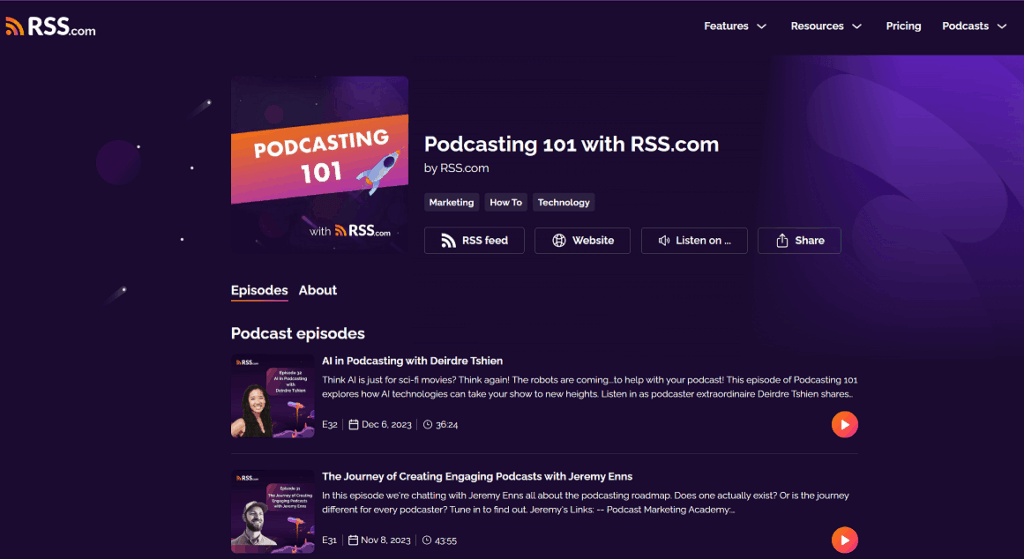
The Deadly Garden – Episode Resources

About the Book

The Deadly Garden is the first book in the Driftwood Cove mystery series by Robin Stephanie. Join amateur sleuth Violet Primrose as she finds herself in the middle of a murder mystery in fictional Driftwood Cove, Massachusetts, near Salem.

This cozy mystery features family-friendly content with no explicit language or adult situations – perfect for readers who love clever plots without the grit.

Where to Find the Book

Listen to the Episode

“Outlining, Inspiration, and Murder – Robin Dives into Her First Cozy Mystery Novel”

Listen on RSS.com

Or find it on your favorite podcast platform:

Connect with Robin Stephanie

Book-Related Social Media:

Masshole Mommy Brand:

The Gen X Couple Podcast:

What’s Next?

Robin is currently working on Book 2 in the Driftwood Cove mystery series, set about two months after the events of The Deadly Garden. Book 3 is already in the planning stages!


Want more episodes like this? Subscribe to The Bloggy Friends Show wherever you get your podcasts and visit famousashleygrant.com for more resources.

How One Blogger Made $80,000 From a Single Click (And How You Can Too)

Andy of Empire Flippers Blog Banner
This post does contain affiliate links. Thanks in advance for your support!

Picture this: you wake up one morning, check your phone, and discover you’ve made $80,000 overnight from a single referral. Sounds like a fever dream, right?

Well, for one Empire Flippers affiliate partner, this dream became reality. And after diving deep into a conversation with Andy from Empire Flippers on The Bloggy Friends Show, I discovered this isn’t just a one-off miracle – it’s part of a systematic approach to monetizing your blogging knowledge in ways you probably never considered.

Whether you’re a seasoned blogger looking for your next income stream or someone just starting to think about exit strategies, what I learned in this conversation could completely shift how you think about the value of your digital assets.

Sell or buy a blog here: https://famousashleygrant.com/empireflippers

Tune into the episode here or click play below:

The Marketplace That’s Changing Everything for Online Business Owners

Empire Flippers isn’t your typical “list your site and hope for the best” platform. They’ve created something much more sophisticated – a vetted marketplace where only about 5% of submitted businesses actually make it through their rigorous approval process. Think of it as the luxury car dealership of website sales, where every listing has been thoroughly inspected and verified.

What started over a decade ago as a platform for selling small AdSense sites (originally called “AdSense Flippers”) has evolved into a powerhouse handling everything from ecommerce stores to SaaS businesses to content sites. The founders began by selling their own small sites and quickly realized other entrepreneurs needed this service too.

But here’s what makes this relevant to you as a blogger: they still handle plenty of content sites, and the barrier to entry isn’t as high as you might think.

The Magic Number Every Blogger Should Know

Want to know if your blog could be worth selling? Andy revealed the golden threshold: $2,000 in monthly profit. At typical valuation multiples, this translates to a listing price somewhere between $50,000 and $80,000 – not exactly pocket change.

This isn’t just about passive AdSense income either. Whether you’re making money through services, affiliate marketing, digital products, or any other monetization method, that $2,000 monthly profit benchmark is your ticket to the marketplace.

The beauty of this number is its attainability. If you’re currently making $500 or $1,000 per month from your blog, you’re not that far away from having a legitimate exit strategy. It’s a concrete goal that can completely reframe how you think about growing your business.

The $80,000 Referral Program That Broke the Internet

Now, let’s talk about that mind-blowing $80,000 payout I mentioned earlier. This came through Empire Flippers’ referral program, which has been quietly minting small fortunes for content creators and networkers who know how to leverage it.

Here’s how it works: when you refer someone who either buys or sells a business through Empire Flippers, you get a cut of their commission. The size of that cut depends on the deal size, but Andy mentioned the average payout falls in the “high four to low five figures.” Even on the lower end, we’re talking about payouts that could fund your entire business for months.

The best part? There’s no complicated vetting process for affiliates. As long as you’re not spamming people or making unrealistic promises, and you have some viable way to drive traffic (whether through content, relationships, or a combination), they’re pretty open to accepting new partners.

Sell or buy a blog here: https://famousashleygrant.com/empireflippers

Who Actually Succeeds with These Referrals?

Andy was refreshingly honest about who tends to do well with their referral program. The sweet spot is content creators in the online business space who already have some sort of audience or community. But it’s not just about follower counts – some of their most successful affiliates succeed purely through one-on-one relationships and networking.

They provide tools to make this easier, including embeddable valuation tools and public-facing versions of their marketplace. But the real magic happens when you genuinely understand the value you’re providing and can communicate that authentically to your audience.

One particularly smart strategy Andy mentioned: whenever someone successfully buys or sells through Empire Flippers, they encourage them to join the referral program. Why? Because these people are usually connected to communities of other entrepreneurs who are building or buying businesses.

Building Your Blog Like a Business (Not Just a Hobby)

If the referral opportunity got your attention but you’re thinking longer-term about your own exit strategy, Andy shared some golden advice about building sellable websites. The key insight that blew my mind? The strategies that make your business sellable are usually just strategies for running a great business.

The number one mistake bloggers make when building for an exit is becoming the single point of failure in their business. If you’re working 40 hours a week doing everything from content creation to social media management to customer service, you’re not building a business – you’re building yourself a job.

Buyers’ first question when evaluating any business is: “What happens if I remove the seller from this equation?” If the answer is “everything falls apart,” you’ve got work to do.

The Assets That Actually Add Value to Your Sale

Not all digital assets are created equal when it comes to sale value. While you might be tempted to spread yourself across every social platform and marketing channel, Andy’s advice was refreshingly focused.

Email lists remain king. Despite all the talk about social media and new platforms, your email list is still the most valuable asset you can build. It’s something you own completely, can’t be taken away by algorithm changes, and provides direct access to your most engaged audience.

Social media presence helps, but you don’t need to be everywhere. Focus on building genuine audiences on a few platforms rather than maintaining a minimal presence across dozens.

The Profitable Niches That Keep Selling

Curious about which niches consistently perform well in the marketplace? Andy revealed some eternal truths about profitable content: businesses that address pain points rather than wants tend to perform better. Anything related to babies, pets, health, and supplements consistently does well.

On the flip side, businesses dealing with products that have obsolescence dates (like electronics) or highly seasonal content can be tougher sells. The key is building something with evergreen appeal and consistent demand.

Reality Check: What Actually Happens During a Sale

The timeline for selling can vary dramatically based on your business size. Smaller sites (that $50,000-$80,000 range) might sell within days or weeks, especially if multiple qualified buyers are interested. But larger deals can take months – Andy mentioned one 8-figure deal that spent nine months in due diligence.

Here’s something that might surprise you: many deals fall through not because of financial issues, but because of relationship problems between buyer and seller. Sellers often care deeply about who their “baby” is being handed over to, and trust becomes a crucial factor.

The Fine Print: Non-Compete Agreements and What They Mean

Before you start planning your exit strategy, understand that selling typically comes with a three-year non-compete agreement. This means you can’t start another business in the same niche or use your email list for personal ventures during that period.

This might sound restrictive, but Andy pointed out that transparency about these limitations actually helps deals close. Buyers appreciate knowing exactly what they’re getting and what restrictions exist.

Your Next Steps: Building Toward an Exit (Even If It’s Years Away)

The most valuable insight from this conversation wasn’t about the mechanics of selling – it was about thinking differently from day one. Even if you’re years away from wanting to sell, building with an exit strategy in mind forces you to create better systems, document your processes, and build a real business rather than just a content stream.

Empire Flippers offers consultations even for early-stage businesses, helping entrepreneurs make strategic decisions 2-3 years before they’re ready to sell. Whether you’re interested in their referral program or planning your own exit, the key is starting to think about these possibilities now, not when you’re already burned out and ready to quit.

The digital landscape keeps evolving, but the fundamental principle remains the same: build something valuable, document how it works, and create systems that don’t depend entirely on you. Whether you ultimately decide to sell or keep growing, these principles will serve you well.

And who knows? Maybe you’ll be the next person waking up to an $80,000 notification on your phone.

Sell or buy a blog here: https://famousashleygrant.com/empireflippers

Episode 72 – Show Notes

Here are the most important timestamps from episode 72 of The Bloggy Friends Show with Andy from Empire Flippers:

[00:01:06] What Is Empire Flippers? We dive right into learning about Empire Flippers as a vetted marketplace for buying and selling online businesses. Andy explains how they started with AdSense sites over a decade ago and now handle everything from ecommerce stores to SaaS businesses, with only about 5% of submitted businesses making it through their rigorous vetting process.

[00:03:51] The Magic Number: $2,000 Monthly Profit You’ll discover the minimum threshold for getting your site listed on Empire Flippers. Andy breaks down how $2,000 in monthly profit typically translates to a $50,000-$80,000 listing price, giving you a concrete goal to work toward if you’re thinking about an exit strategy.

[00:07:01] The $80,000 Single Click Story We hear the jaw-dropping story of Empire Flippers’ referral program paying out $80,000 for one successful referral. Andy explains how both the buyer and seller came through referral partners on this particular 8-figure deal, showing the incredible earning potential of their affiliate program.

[00:09:33] How to Actually Make Money with Referrals Andy shares practical strategies for succeeding in their referral program. You’ll learn about embedding valuation tools, leveraging relationships in your network, and why content creators in the online business space have the best success with conversions.

[00:12:49] Building a Site That Actually Sells This is pure gold for anyone planning an exit strategy. Andy emphasizes not being the single point of failure in your business, having documented processes, and building a team. The key insight? The advice for making your business sellable is often just advice for running a great business.

[00:17:01] The Most Profitable Niches Right Now We explore which niches consistently perform well in the marketplace. Andy reveals that health, wellness, baby, and pet-related businesses always do well, while electronics and anything with obsolescence dates can be tougher sells.

[00:19:14] Timeline Reality Check: Days vs. Months You’ll learn the dramatic difference in sale timelines between smaller and larger deals. While $50,000 sites might sell in days or weeks, 8-figure deals can take up to 9 months in due diligence – giving you realistic expectations for your own exit timeline.

[00:23:28] The Assets That Actually Matter Andy breaks down which assets make your site more valuable to buyers. Email lists remain king, but you don’t need to be everywhere on social media. The focus should be on owned assets that you control, especially as the digital landscape continues shifting.

[00:25:59] The 3-Year Non-Compete Reality We discuss something many sellers don’t expect – the standard 3-year non-compete agreement that comes with selling your site. This includes not using your email list and staying out of the same niche, which you need to factor into your exit planning.

[00:32:02] Start Planning Your Exit Now Andy’s final piece of advice is powerful: you really can build a business to sell, but it requires thinking differently from the start. Empire Flippers offers consultations even for early-stage businesses, helping you make strategic decisions 2-3 years before you’re ready to sell.

This podcast is supported by affiliate partnerships. Please check out a few of our partners below:

– Start a podcast today here: https://rss.com?via=famous

–  Create content from your own voice with Castmagic’s Suite of AI Tools: https://get.castmagic.io/dcjy15cirnts 

– Want to help support our show? Buy a girl a drink perhaps? https://ko-fi.com/famousashleygrant

– Sell or buy a blog here: https://famousashleygrant.com/empireflippers

– Need content for your podcast or blog? Check out Tools for Motivation!

The links above are affiliate links. This means my podcast will receive a small commission if you order through any of them at no additional cost to you. Affiliate commissions are one of the ways my podcast makes money so that I can create episodes free of charge. If you do purchase anything from my links, I sincerely would like to thank you for your support!

How to Book More Weddings – Could a Blog Be The Key?

How to Book More Weddings - Could a Blog Be The Key Blog Banner

Could blogging be the key to how to book more weddings for your wedding business? I chatted with Dawn Booth to discuss it.

This post includes affiliate links - this means this website will receive a small commission if you order through any of them at no additional cost to you. Affiliate commissions are one of the ways my website makes money so that I can create content free of charge.

Book More Weddings with Blogging – Expert Insights from Dawn Booth

I spoke to Dawn Booth in late 2021, and since then, her episode has blown up! With this in mind, I thought it would be a fun idea to re-visit her episode and write about all the juicy insights we discussed.

This blog post was written with the help of CastMagic. You can try it for free here!

In my conversation with Dawn Booth, owner of Epic Events by Booth and veteran event planner since 1995, one thing became crystal clear: wedding vendors who aren’t blogging are missing out on a massive opportunity to connect with potential clients and grow their business.

“Blogging is ridiculously important. It’s probably more important than anything else right now.” – Dawn Booth

Why Your Wedding Business Needs a Blog

The wedding industry is built on trust, expertise, and connection. When couples are planning their big day, they want to work with vendors who not only know their stuff but can demonstrate that knowledge. A blog gives you the perfect platform to showcase your expertise and build that crucial trust factor.

Dawn shared a perfect example of this in action. Her “Florida Summertime Wedding Survival Guide” blog post garnered over 2,000 views immediately after posting. This kind of engagement isn’t just about numbers – it’s about establishing yourself as the go-to expert in your field.

The Hidden Benefits of Blogging for Wedding Vendors

There are so many reasons that you should be blogging if you hope to book more weddings. Here are just a few of them:

  • SEO and visibility
  • Building connection through education
  • Showcasing your expertise

SEO and Visibility

One of the primary advantages of maintaining a blog is improved search engine optimization (SEO). As Dawn points out, “Blogging helps you with your SEO… helps to be found.” When couples are searching for wedding vendors in your area, a well-maintained blog can help your business appear higher in search results.

Building Connection Through Education

“When you give out free information and you’re educating, people will remember you,” Dawn explains. “Because you gave them that information, they feel more connected to you as a business and as an individual.”

Showcasing Your Expertise

Your blog is the perfect place to demonstrate your industry knowledge. For instance, Dawn’s summer wedding guide came from years of experience handling Florida weddings. She knew exactly what couples needed to consider, from afternoon rain showers to backup plans for outdoor ceremonies.

Click here and start a podcast today! 

15 Blog Post Ideas for Wedding Vendors

  1. Seasonal wedding guides specific to your location
  2. Budget breakdown: What couples should expect to spend
  3. Timeline planning tips for different types of ceremonies
  4. Behind-the-scenes looks at your recent events
  5. Vendor collaboration spotlights
  6. Wedding trends in your local area
  7. Common wedding day mishaps and how to avoid them
  8. Questions couples should ask before booking vendors
  9. Local venue spotlights and tips
  10. Planning advice for different cultural ceremonies
  11. Wedding day emergency kit essentials
  12. Tips for choosing wedding colors/themes
  13. Guest experience enhancement ideas
  14. Weather contingency planning advice
  15. Real wedding features with planning insights

Getting Started with Your Wedding Business Blog

1. Share Your Experience

Don’t be afraid to share your journey and expertise. Dawn started in the industry with a fashion show in 1995 and has expanded to offer multiple services including:

  • Event planning and design
  • Bartending services
  • Officiating services
  • Virtual bridal shows

2. Focus on Education

Think about what your potential clients need to know. Some topic ideas include:

  • Season-specific wedding tips
  • Venue selection advice
  • Timeline planning
  • Budget considerations
  • Industry trends

3. Show Your Personality

Dawn’s approach to naming her wedding arches and packages shows how injecting personality into your business can make you memorable. Your blog is another opportunity to let your unique voice shine through.

Creating a Sustainable Blogging Schedule

It doesn’t have to be complicated to create a sustainable blogging schedule that helps you book more weddings. Let’s explore some ideas that could help you out.

Monthly Content Calendar

  • Week 1: Educational content (how-tos, tips, guides)
  • Week 2: Behind-the-scenes/recent event showcase
  • Week 3: Seasonal or trending topics
  • Week 4: Client stories or vendor spotlights

Content Creation Timeline

  1. Brainstorm topics (1 hour/month)
  2. Outline posts (30 minutes/post)
  3. Create content (1-2 hours/post)
  4. Add images and format (30 minutes/post)
  5. Review and publish (30 minutes/post)

Maximizing Your Blog’s Impact

Social Media Integration

  • Share blog post excerpts on Instagram
  • Create Pinterest-worthy images from each post
  • Use Facebook to promote new blog content
  • Share key tips on Twitter/X

Email Marketing Connection

  • Send blog highlights to your email list
  • Create exclusive content for subscribers
  • Use blog content in welcome sequences for new leads

Overcoming Common Blogging Challenges

“I Don’t Have Time to Blog”

If writing isn’t your strong suit, Dawn suggests several solutions:

  • Record yourself talking about topics and have it transcribed
  • Jot down main points and work with a writer
  • Use your existing knowledge and experience as content starting points

“I’m Not a Good Writer”

As Dawn shares, “It’s hard for me to write, but it’s not hard for me to talk.” Consider:

  • Voice recording your thoughts
  • Working with a professional writer
  • Breaking content into manageable chunks

Making Your Blog Work Harder

Cross-Promotion Opportunities

Your blog content can be repurposed across multiple platforms:

  • Social media posts
  • Email newsletters
  • Press opportunities
  • Marketing materials

Media Opportunities

Quality blog content can lead to media exposure. As Dawn’s summer wedding guide demonstrates, having unique, valuable content makes you an attractive source for local media looking for wedding experts.

Measuring Your Blog’s Success

Key Metrics to Track

  • Page views
  • Time spent on page
  • Inquiry form submissions
  • Email sign-ups
  • Social shares
  • Comments and engagement
  • Booking inquiries mentioning blog posts

The Community Aspect

One of Dawn’s core philosophies is “community over competition.” Your blog can help you build relationships within the wedding industry by:

  • Featuring vendor partnerships
  • Sharing industry insights
  • Creating content that benefits the whole wedding community
  • Building trust with potential referral partners

Final Thoughts

“Your website and your business is your baby… anybody can throw up a website right now, within ten minutes or less. Doesn’t mean it’s going to do anything.” – Dawn Booth

Let’s face it my bloggy friends – having a website isn’t enough if you want to book more weddings! You need to give potential clients a reason to trust you with their special day. A well-maintained blog can be the difference between a couple booking with you or moving on to the next vendor.

Taking Action Today

  1. Set up your blog if you haven’t already
  2. Choose 3-4 topics from the idea list above
  3. Create a simple content calendar
  4. Start with one post per month
  5. Track what resonates with your audience
  6. Adjust and optimize as you learn

Remember, as Dawn emphasizes, it’s not just about having content – it’s about providing value, sharing your expertise, and building genuine connections with your potential clients. Start small, be consistent, and watch as your blog becomes one of your most valuable booking tools.

Need help getting started? Consider working with a professional writer or content creator who can help you share your expertise while maintaining your authentic voice. You could even purchase private label blogs from a company like Tools for Motivation, and then update it to reflect your brand’s voice if you want to blog, but need a shortcut.

The investment in quality content today could lead to multiple bookings tomorrow.

Famous Ashley Grant Appears on Uploading By Castmagic

Famous Ashley Grant Featured on Uploading By CastMagic Blog Banner

What’s up my bloggy friends? I’m so excited to share that last week I was featured on an awesome podcast hosted by my bloggy friends over at Castmagic in an episode titled “Write to Connect: Ashley Grant from RSS & GoDaddy on Engaging Audiences with Content“.

Please note - This post does contain affiliate links that provide me a commission if you buy a subscription with no additional cost to you. Thanks for your support!

Blain and Ramon of Castmagic welcomed me onto their show Uploading to dive deep into all things content creation. We kicked things off by chatting about my background, from how I got my start freelance writing back in 2007 to my journey writing for a variety of publications and businesses over the years.

One of the key topics we dug into was what makes a piece of great content. My biggest piece of advice? Write for your audience, not yourself. Think about what value you’re providing them and craft your content around answering their questions and meeting their needs.

Related: Start your own podcast for free today!

We also talked about the importance of infusing your own unique voice and story into your content, even when writing for a business. People connect with authentic stories, so don’t be afraid to get personal and share yours over and over. New audience members may not have heard it before.

Another hot topic was how to balance writing for SEO with writing content that truly engages readers. My take is that you need a blend of both – include the keywords and information people are searching for, but focus on showcasing expertise and fostering a real connection too.

Of course, we had to discuss how AI is transforming the content landscape. Using AI tools like Castmagic to repurpose your own unique content enables you to efficiently create a variety of content pieces that are authentic to your voice, as opposed to just using AI to generate generic, random content.

I had a blast nerding out about all things content with Blaine and Ramon. Be sure to check out the full episode below and subscribe to Uploading for more great conversations! And as always, keep writing to connect with your people.

Check out the full episode here:

Time stamps of the key takeaways from this episode

00:00 My accidental business card success story.
03:09 I started with a local restaurant story, and then pursued writing for various publications and websites, including famousashleygrant.com, RSS.com, Godaddy, and about.com.
07:50 Summaries at the beginning of articles drive attention. Bloggers are removing fluff to provide concise answers.
10:22 Emphasizes storytelling, audience connection for content.
13:20 Personal branding is about sharing your unique story to create a genuine connection with your audience.
19:45 Leverage Castmagic for content repurposing to save time and reach wider audience.
22:51 Google update targets spam content, domain penalties, unique AI-powered content creation.
24:38 Written and existing media need authenticity and can be used collaboratively for distilling thoughts.

What IS Castmagic?

Castmagic is an all-in-one transcription and AI-powered content creation platform designed for content creators and businesses. It offers a wide range of features, including transcription in over 60 languages, customizable AI-generated content outputs, and seamless integration with various media sources such as audio, video, YouTube, Vimeo, RSS feeds, and more. With Castmagic, users can quickly and easily turn their long-form content into valuable assets like show notes, summaries, blog posts, social media posts, and email newsletters. The platform caters to diverse use cases, from podcasting and YouTube content creation to meetings, coaching, sales, and customer discovery, making it a versatile tool for professionals looking to scale their content production efficiently.

Click here to get started with Castmagic and create show notes and blog posts from your podcast episodes in seconds!

Until next time, may your page views be high, and your bounce rate be low.

How to Turn Your Blog Into a Business – Show Notes

🚀 On episode 54 of the Bloggy Friends Show, I discussed how to turn your blog into a thriving business. As a seasoned blogger and business owner, I’m passionate about sharing my insights to help others achieve their blogging goals. Check out the podcast episode for valuable tips and strategies. Here are 3 key takeaways from the discussion:

  1. Reflect on Your Motivation: Before diving into monetization, take the time to understand why you want to turn your blog into a business. Entrepreneurship isn’t one-size-fits-all, so it’s essential to ensure that your goals align with the realities of running a business.
  2. Lay the Groundwork: Building a successful blog business requires quality content, audience building, and a strong brand. Establishing authority, trust, and a clear content strategy are essential before delving into monetization.
  3. Stay Motivated: Consistent effort, realistic goal-setting, and celebrating wins are crucial for navigating the challenges of turning your blog into a profitable business. Take small steps, track your progress, and recharge to stay driven in your blogging journey.
    Listen to the full episode for more valuable insights and actionable steps to propel your blogging business forward.

Links and Resources Mentioned in the Episode

Jay Clouse https://creatorscience.com/author/jayclouse/ 

Pat Flynn https://patflynn.com/ 

Join Share a Sale as an affiliate: https://famousashleygrant.com/shareasale

Big Amazon affiliate commission rate cuts among latest program changes https://searchengineland.com/amazon-affiliate-commission-rates-cut-332966 

Turning 1 piece of content into 16 | How to EASILY create content for multiple platforms! By Rachel Pedersen: https://www.youtube.com/live/Tg1UHew4K-0?si=KM7VqOyNIgXJVHUH 

Income Tracker: https://docs.google.com/spreadsheets/d/1hPlpOA8lh-lyDEeGZFMMtyO5wyJ6No-ZHcI11sdCo2Y/edit?usp=sharing 

Create and Go Courses (affiliate links):

Jammin’ on SOPs for Bloggers with Nadja Williamson

Jammin on SOPs for Bloggers with Nadja Williamson Blog Banner

What are SOPs for Bloggers? I interviewed Nadja Williamson to get the scoop. Read on to learn what she had to share!

Welcome back to another episode of the Bloggy Friends Show! In this episode, host Ashley Grant chats with operations expert Nadja Williamson about the importance of having standard operating procedures (SOPs) for your blogging business. 

Tune in:

Episode 50 Show Notes – Jammin’ on SOPs for Bloggers with Nadja Williamson

Nadja shares how SOPs provide structure and peace of mind, allowing you to focus on the creative aspects of blogging instead of getting bogged down in the details. She outlines a simple system for creating SOPs:

1. Record yourself completing a task while narrating each step. 

2. Have someone else try to follow your recording to do the task. 

3. Ask them what information is missing from the instructions.

4. Use their feedback to create a clear written SOP.

Some key SOPs Nadja recommends starting with include:

– How to write and publish a blog post 

– How to promote a blog post on social media

– A master checklist of everything that needs to be done for each blog post

Even if you’re a one person operation, SOPs help you stay organized, batch tasks efficiently, and make your business transferable should you get sick or want to scale up. They also provide continuity for your audience, ensuring your content and brand voice remain consistent. 

Nadja emphasizes starting small and not getting discouraged. Building new habits takes time. Approach SOPs as “one less thing to worry about” rather than a chore. They’ll quickly become an indispensable part of your blogging toolkit.

About Nadja

Nadja Williamson is the Lead Strategist of Network Titan Solutions, a consulting agency that helps small business owners supercharge their operations by designing a custom mission control solution for their business. 

She is a nerdy (recovering) people pleaser who is using her superpowers to help others capture the elusive work-life integration dream. 

Though she grew up in the land down unda, she now calls Houston, Texas home with her equally nerdy husband, two sassy daughters, and a houseful of pets. 

Website: https://networktitansolutions.com

FB: www.facebook.com/ceosidekicks

IG: www.instagram.com/ceosidekicks

LinkedIn: www.networktitan.solutions

Here are some key timestamps from the episode:

– 00:01:02 – Nadja introduces herself and explains her company Network Titan Solutions and their signature program CEO Sidekicks.

– 00:02:11 – She talks about how they’ve shifted to helping people build their own “CEO sidekick” by teaching employees to become operations managers.

– 00:03:01 – Ashley asks what operations or systems Nadja would suggest for a blogger wanting to turn their blog into a business.

– 00:03:52 – Nadja outlines her “5 pillars” model for business operations.

– 00:08:18 – She recommends starting with SOPs and documenting processes step-by-step. 

– 00:13:29 – Nadja shares an example of how skipping steps in an SOP led her to waste hours trying to troubleshoot.

– 00:17:38 – They discuss the importance of SOPs for continuity if something happens to you.

– 00:25:18 – Nadja suggests thinking of SOPs as “habits” rather than operational structures.

– 00:35:57 – She explains how task switching hurts productivity and why time blocking is so important.

– 00:47:27 – Ashley sums up that SOPs provide peace of mind and keep your business transferrable.

What did you think about this episode? What SOP will you tackle first for your blog? Let me know in the comments!

Blogging for No Reason

In episode 46 of the Bloggy Friends Show, I had the pleasure of chatting with Kate Volman of the amazing podcast Create for No Reason. In this post, you’ll find the show notes, transcript, and links to watch or listen to the episode.

Please note: This post includes affiliate links. If you make a purchase through these links I will receive a small commission at no additional cost to you. Thank you in advance for your support!

Listen here:

E46 – Blogging for No Reason With Kate Volman

Kate is a dream manager and helps organizations build dynamic cultures. She also hosts a podcast called Create for No Reason, wrote a book of journal prompts with the same title, and has an upcoming book releasing in June 2023 called Do What You Love: A Guide to Living Your Creative Life Without Leaving Your Job. Our conversation revolved around the importance of creating for oneself and not just for others, the value of blogging for personal growth and community building, and the importance of executing ideas.

Kate discussed the concept of creating for no reason and how it applies to the world of blogging. She emphasized the importance of putting one’s ideas out into the world, even if nobody reads them, as it allows one to understand more about oneself and what they find interesting. Later in the conversation, Kate talked about her coaching company, Floyd Coaching, and her creative pursuits, including her Create for no Reason podcast and her upcoming book.

Throughout the episode Kate and I encouraged creating for no reason and emphasized the joy and importance of sharing one’s ideas with the world through blogging. We highlighted the personal nature of writing and how it can lead to a better understanding of oneself. Because here’s the thing – blogging can be used in different ways, from personal journaling to intentional community building around specific topics or interests.

Blogging is an accessible and fun way to create and share content, whether it’s personal or focused on a specific topic. Anyone can start for free, and platforms like Facebook and Instagram can be used to share content without a website. Writing regularly can help crystallize our ideas and thoughts, and blogging can serve as a digital time capsule or journal.

Our conversation also emphasized the importance of starting where you are and using what you have, rather than waiting for perfection or permission. We encourage you to pursue creativity and passions for fun and fulfillment, rather than just for the purpose of starting a business. We also discussed how sharing personal experiences and vulnerabilities through blogging and other forms of content creation can foster connections with others.

Truth bomb time –  there are easier ways to make money than content creation, but those who are successful as content creators work hard and are intentional about their process. What is important is honing one’s craft and building your writing muscle over time. There is a difference between doing something for fun and doing something for business, but it is possible for anyone’s passion to turn into a business.

Work on your creativity and create something every day. In this episode we also shared our personal experiences with writing and creating, including the therapeutic benefits of writing and the potential for future use of creative work. We mentioned the idea of practicing and building the creativity muscle through daily activities, such as writing a poem or exploring personal interests as well.

Overall, the conversation was a great reminder to pursue creativity and passions without the pressure of perfectionism or external validation. It highlighted the importance of sharing your creations with the world and connecting with others through vulnerability and personal experiences. It also emphasized the need to take action on ideas and explore different creative pursuits to unlock new possibilities.

Related: Start your own podcast here – https://famousashleygrant.com/RSS

Full Episode Transcript*

[TRANSCRIPT]

[0:00:02] Welcome to the Bloggy Friends show. What’s up, my bloggy Friends famous Ashley Grant here, and I just want to welcome you to the Bloggy Friends show. We’re so excited to have you join us on this journey of sharing our knowledge and experiences with you. Whether you’re a blogger, a content creator, or just someone who’s interested in learning more about the digital world, we’ve got something for you. So grab your notebook and a pen to take some notes or just sit back and take in all the amazing information and ideas we’re about to share with you.

[0:00:46] Let’s get into it. I guess we’ll just jump and so, Kate, welcome to the show. I’m so excited to have you here. Thanks, Ashley. I’m excited to be here. Well, tell my blogging friends what it is that you do. So I run a coaching company called Floyd Coaching. So my team and I, we work with organizations to help them build dynamic cultures so people love coming to work. And we also certify dream managers. So we certify life coaches that go into organizations and really help their people rediscover their dreams and then hold them accountable to actually achieve those dreams. So we help people dream again.

[0:01:24] So it’s a beautiful thing. That is what I get to do for a living. And then, as you know, I also do lots of creative things. I have a podcast called a Create for no reason. Started another one for the company called Lead With Culture. I am a new author, so I have my first book that is coming out, and I’m a creative like many of your listeners. Okay, so you said Create for no reason. Let’s talk all about that. What does it mean to you to create for no reason?

[0:01:53] So Create for no Reason, I love this name for two reasons because I like the double meaning of it. It’s create for no reason just for the joy of it, right? Like, just write, sing, dance, blog, whatever you want to do just for the fun of it. But there really is a reason. The reason is because of that joy. So when we can take a little of the pressure off ourselves and just allow us to create what we feel we’re called to create, it just makes it more fun when we just do things for the fun of it, and then you just don’t know what’s going to happen on the other side. So create for no reason. Just have fun with it.

[0:02:34] If it brings you joy, it’s worth it. So how would you apply Creating for no Reason to the world of blogging? So the world of blogging is so exciting because well, first of all, it’s so fun to me that we’re still talking about blogging, right? Because when did the first blog even come out? In 2004, I think that’s what it was officially called, a blog. But people were like, web logging, like, in the 90s, yes, that’s true.

[0:03:02] Right. And then we finally create it. Came up with the name of it. So it’s writing, it’s sharing your ideas, it’s getting those things out into the world that you feel called to do. And so blogging for no reason is amazing because you’re just putting your ideas out in the world. It doesn’t even matter if nobody reads it or sees it, just the fact that if you think that these ideas are meant to be shared, are meant to be out there, do it.

[0:03:28] And again, it doesn’t even matter if nobody sees it. But the beauty of it is that you want to put it out there. It’s important to you, and someday someone might find it. Or even that we talk about the 1000 True fans that Kevin Kelly talks about. It’s like, if your people find it and resonate with it, then that’s kind of like a cool little journey. But just this idea that writing is such an interesting writing is so interesting because it’s so personal.

[0:03:58] And the more that we write, the more that we really understand about ourselves, about what we want, about what we love, about what we find interesting, and when we can just share that and put it out. And the more that we do it, the better we get. And when it comes to communication and our ideas and building community and really kind of discovering new people, the more that we write, the better we get, the better we’re able to kind of crystallize our ideas on our thoughts. And so blocking is a beautiful way to do that. And so especially for those that have been doing it for years and years, and those that do it daily or weekly, monthly, whatever it is, it’s fun to see the transition.

[0:04:39] When you go back to the blog that you started with however many years ago or weeks ago or months ago, it’s cool to see, oh, my gosh, my perspective has changed a little bit in this regard. Or maybe I still have those same passions and drive to create and write about these kinds of topics. And so it’s kind of a fun way to just keep track of our minds, our thoughts, our creative process, and share it with the world.

Related: Launch your podcast and get a free episode here – https://famousashleygrant.com/podcasthosting

[0:05:05] I love that. The way that you were describing it, it’s almost like a digital time capsule or a scrapbook. Yeah, it’s like a journal. It’s almost like a journal. And with blogging, what’s fun is people use it very differently. Right? For some people, it really is a journal. They just want to share their thoughts and ideas. And then for others, they’re a lot more intentional because they have a very clear idea of, I want to start a blog, a cooking blog, and just talk about all of the recipes that I want to share. Or I really have a love of comic books, and everything I write about is that. And they really do want to create community. So I think blogging is so interesting because you can go at it from a lot of different perspectives and how you want to do it. Is it a personal thing that people can resonate, or are you going to choose one specific topic and really go all in on it? And you want to kind of potentially build a business from it. So it’s fun. There’s so many different ways to approach it. But the one thing that we can all do is start creating. Like you could literally write a blog right now, right after you’re done listening to this, and that’s really exciting. It’s accessible to everyone.

[0:06:11] Yeah. And the fact that you can actually get started for free is kind of exciting because yes, I know that so many people, if you’re trying to do it for a business, they say you got to have a domain name and you got to have all these things. But whenever you just go with it with no pressure and you just think, okay, well, there’s all these platforms I can start on. You could even start it on Facebook or Instagram. You don’t even have to have a website at all.

[0:06:34] Yeah, I have a friend of mine, she was telling me about one of her girlfriends who unfortunately went through a very challenging time. Her husband passed away very unexpectedly, and she was dealing with the grieving process, which is obviously everyone kind of deals with it very differently, but she was sharing all this stuff on Facebook and oh my gosh, Ashley, she was just pouring her heart and soul into it. Why? Because it was just Facebook.

[0:07:01] It was just her place to share what was going on in her life to her friends. And so many people started sharing it and talking about it and saying, thank you so much. I feel like you see me. This is what I was dealing with. When maybe they had a child that passed away or their spouse or someone significant in their life. And we see this all the time, right? Like, when people are blogging about their experiences, we are all so much more similar than we are not.

[0:07:28] And so when we share those experiences and those vulnerabilities, that’s when we connect with people. And so when people start sharing this work, no matter how they do it, like you said, you could do it on Facebook or however, we start to gain some traction and we start to get excited that, oh my gosh, I thought I was alone in this thinking. I thought maybe that no one else felt this way. But we know really that that is not true, that there is somebody in the universe that has gone through or is going through exactly what you’re feeling and going through right now. And so when we connect people in that way, I mean, blogging is such a great way to do that.

[0:08:03] And for a lot of people who think about, I want to build this huge community or I want to start this business, then we automatically get scared and think, we have to be perfect, and we have to have this great platform, and we have to buy all these things, and we have to become a great writer. All of it. So we’ve kind of taken ourselves out of the game before we’ve even started, when you can literally just start writing right now, wherever you are.

[0:08:30] It’s that beautiful quote, I think, Arthur Ash, that said, start where you are, use what you can do. Start where you are, use what you have, do what you can. And that’s exactly what we can do, is, like, wherever you are right now, you don’t have to go buy equipment or do or buy the perfect computer or system or software or editing things. Literally, you can just start writing. Yes. Oh, God, I love that so much. And it’s interesting because I had you on the RSS.com podcast, podcasting 101 with RSS.com, and we were talking about podcasting for no reason. And I have to tell you, since that episode, you actually inspired me to just do some more stuff just for fun.

[0:09:10] And it kind of took some pressure off. And I created a bunch of social media accounts for my dogs. It’s called Pampered palm cheese. It’s so cheesy. That’s so cheesy because they’re two Pomeranian Chihuahuas, so they’re palm cheese. And just having a creative outlet that doesn’t have any pressure on it, that’s just fun. I’m enjoying creating again. So I just wanted to tell you that that you inspired me to just start playing again.

[0:09:35] And I know you have an awesome book that is officially coming out. I’m so excited for it. Tell me all about it. Yes. Well, first of all, thank you so much for sharing that. I’m so happy that you started doing that because that was really the vision behind this book that I wrote. So I’ll share. For those that are watching this book, I am in love with the COVID It is gorgeous. It’s called Do What you Love. And the subtitle is a guide to living your creative life without leaving your job. And the whole idea is exactly what Ashley was just talking about, which is do things just for the fun of it. We talk ourselves out of doing the things that we’re really passionate about, that we feel really called to do.

[0:10:13] And so I wrote this book. I share the seven myths stopping us from exploring our passions and our creativity and how to really overcome those myths. And it’s things that you have probably dealt with in the past, which is we deal with perfectionism. We deal with permission. A lot of us are waiting for permission to do something. We’re waiting for somebody to say, hey, you’re good enough. You should start a podcast, or you should go do this thing.

[0:10:38] No, we have to give ourselves permission. And so the book really talks about those ideas. And the whole goal of the book is really exactly what happened to you after our conversation, which is to inspire people to get back into their creativity and to allow themselves to explore their passions and explore their creative pursuits just for the joy of it, just to have fun. And when we do that, we will see how much it does for our business, for our relationships, for our life in general. Because when we’re exploring our creativity, all of that inspiration and all that passion just oozes into other areas of our lives and we become more fulfilled.

[0:11:19] That is a definite fact. Because, I mean, I personally, my full time job is I blog for other people. That’s what I do, basically. That’s my bread and butter. And I have these fantasies about starting all these blogs that are for me, for my own personal business that I can put my name on because I do a lot of ghostwriting. And so it gets me excited and fired up to think about it from a non pressure perspective and just have fun with it again. So I think it’s brilliant. I really do. And I hope that everybody will like everybody who’s listening to this.

[0:11:50] I know that whenever we think of blogging, we think, oh, I want to get out of my nine to five, or I want to make so much money, but you got to start with what you’re actually enjoying or you’re never going to actually go through with it. You’re not going to do anything about it. Yeah, I mean, it’s interesting. And we talked about this on the other episode, I think, which is there’s a difference between going after doing something for a business and doing something just for fun. There is. There just is right now. Can your passion turn into your business? Absolutely.

[0:12:20] We see it every day, especially today with all of these incredible creators. In fact, I had one of my favorite comedians I had on my podcast two times. The first time I talked to him in 2020 when the pandemic was just going on, it was in December. And so we were all just still kind of stuck in our houses and figuring out what the heck is going on in life. And he started creating on TikTok just for the fun of it. Now I just spoke with him again, so that was in 2020. It’s 2023. I just spoke to him last a couple of months ago, and he’s a full time content creator. Like, he has figured out a way to become full time and he loves it. It’s so much fun. He has brings him so much joy. And so we see that every day, right?

[0:13:00] Because of platforms like TikTok and blogging and podcasting and all. I mean, I have a girlfriend that her whole business is around her podcast. So those things are possible but it’s the starting. Like, it’s the actual starting that kind of gets us into that state of creation. And from there, we can kind of figure some things out. So while I do think that if you want to do something on a full time basis, yeah, you can definitely have that goal. But the first way to do it is to start.

[0:13:30] We have to start creating if you want to be a full time content creator. And then, of course, there’s tons of other businesses where you can I think a lot of people have to get their priorities straight. Like, do you want to be a content creator and create content and earn a living that way, or are you just looking to make a lot of money? Like, if you’re just looking to make a lot of money, then maybe content creation is not exactly where you want to go. Right? There are easier ways to make a lot of money, and there’s, like, affiliate marketing and selling other people’s products. There’s all these other online businesses that you could potentially do that would take you away from content creation on kind of you personally, and you could earn an income that way. You could sell on Amazon. There’s, like, gazillions of things you could do, but we have to choose what those things are that we actually want to do.

[0:14:18] And so when you look at some of the big creators that are earning a living, they are fierce about their creative process. Like, they care deeply about their work and what they’re putting out. And you look at the podcasters, like, what’s the number two podcast call her daddy. That girl is fanatical. When you hear her talk about her creative process and her process of putting out work and building community and being there and the amount of thought and energy and effort that she puts into creating, I mean, it’s very intentional.

[0:14:56] And so that inspires me when I hear people that are full time content creators, but you see the energy effort that they put into the work that they do. So I think we have to get really clear on what it is that we want to do. And on the creator side, those people, they work really hard. They love it. They love it. Yes. But they work really hard at it, which is why they build really great communities. They’re very intentional about their process.

[0:15:23] Yeah. And what’s interesting to me is nowhere in there did you say you can’t make money from whatever it is you start, but it’s just about kind of cleaning up the cobwebs and not looking at it from a profit first perspective. Instead, it’s at least get in there. That’s another thing. I had a friend of mine, I spoke to a friend of mine, and he wanted so bad to be a content creator and to earn a living doing it, but he had never done any of it. Like, he didn’t have a podcast.

[0:15:50] And then he started getting into the work. He started doing podcasting, and he was like, wow, this is a lot of work. I actually don’t even know if I want to do this. And he totally changed the direction of what he wanted to do. But in his mind, he was only seeing what was happening in the world, right? He was like, oh, all these people that are doing all these podcasts are making all this money thinking that he’s going to start a podcast and like, three weeks in, he’s going to get some huge spotify deal, right?

[0:16:15] Those are all beautiful things. And I’m not saying it can’t happen. I mean, especially with TikTok and all these crazy platforms. Like, people get picked up and they’d get discovered and their lives are changed kind of overnight. But they started. They did it. And I love this idea of the ten year overnight success, right? Because some people think, oh, it happened overnight. But no, they were honing in on their craft. Like Amy Schumer talks about it. Like, when Amy Schumer was like, she went from kind of not very well known to that one year where she was like in five movies and doing the Netflix specials and all the things well, you hear her talk about. She was going out on tour, traveling in affordable hotels all alone, getting up and doing stand up at places where they maybe had 20 people in the audience, maybe even less. Some people loved her. Some people hated her. Years and years and years of that. And then all of a sudden, people are like, oh, she just blew up out of nowhere. It was not out of nowhere.

[0:17:13] And so it’s the same thing with a lot of creators. Like, you don’t know what’s happening behind the scenes and people that are honing in on their storytelling, their craft, their writing. Which goes back to your first question about why do you blog? I mean, think about if you started a blog today and you were going to blog every day. After a year, you have 365 days of muscle building. Like, you’re building your muscle of writing, and you’re continuing to do it. And you’re going to get better if you continue to write. You read great work, you look at other people’s content, and you start kind of discovering, what is it about their content that I really like? Why do people like it? What is it about them, their work, that I can kind of look at and learn from and grow from, and then you’d use that in your own practice. I mean, you’re building the skill. You’re building that creativity muscle every single day.

[0:18:01] You were just reminding me of something I haven’t thought about in years. I can’t remember what was called Project 365 or 365 Days of Creativity or whatever it was. It was some book, and it was basically a journal that was inspiring you to do something active towards one theme every single day. And I think the author was doing it with skulls, like some kind of art related to skulls. And so at the end of 365 days, he had just a catalog of art all in this one theme. And so that’s kind of what it’s reminding me of, is how, like, yeah, you’re just practicing, and if you look at this practice and playing instead of, oh, my God, there’s so much writing on this. If I fail at this, I got to stick with my job.

[0:18:41] If you look at it from more of a creative and fun perspective, you can finally play again, and that just sounds so much more refreshing. Yeah. Like, explore what interests you. I always share this story about Kurt Vonnegut and Kurt Vonnegut. It’s of this beautiful story about how there was a school that reached out to a bunch of different authors, and they wrote letters, and they wanted them to come visit.

[0:19:08] Now, Kurt Vonnegut was apparently, like, the only person that wrote back. He didn’t come visit. He was, like, in his eighty s at the time. He didn’t come back. He didn’t go visit the school, but he did write them a letter. And basically the letter was basically and you can look for it on the Internet if you want to find it, but basically, the letter was like, thank you so much for inviting me. He was so prison that they thought of him, but the idea was, this is what your homework should be. Your homework should be to go write a poem.

[0:19:36] Go write a poem. Don’t show anybody. After you write it, tear it all up and then go place it in different garbage cans throughout your area and throw it away. And he basically was talking about how that alone is create. Like, you’ve created something, you put it out into the world, and even though nobody saw it, and even though now it’s torn up into all these little pieces, you have created a piece of art that is now in the world.

[0:20:02] And I love this so much because talk about create for no reason. I mean, you wrote this poem, and now you’ve ripped it up, and it’s all over the place. But there’s something so beautiful about that. And his whole idea was to share with them. Skip to school, dance, sing, allow yourself to have fun, and create every single day. Because we are human, and we are meant to be creative. We are meant to create. And so we need to lean into our creativity. And so often, especially as we get older, and especially as we have more responsibilities and families and kids and jobs and all the things, we just let that piece of us die, when really we need that more than ever in order for us to really be fulfilled in all areas of our lives.

[0:20:47] That is so completely true. And sometimes it’s also just that we got to get it out of our minds. We got to get it out of our minds and either onto paper or into something. I do this thing I’m working on an article on it right now. I do this thing called Word Vomit Sessions where I yeah, I will literally open up a Google Doc or a Word doc, and I just type every single thing in my brain until there’s nothing else left.

[0:21:10] And just getting it out just makes me feel so much better. There’s no pressure. It’s never been seen by anybody, and it never will. Just the fact that I get all of it out of my brain is so therapeutic. And what you’re describing of the throwing it away and putting it in different garbage cans, I kind of like that idea. Like, I almost want to just delete all the pages I created. Oh, my gosh. Well, when people say that, it freaks me out because I’m like, no, my friend Tommy, he talks about that. He’s like, oh, my gosh, no.

[0:21:43] He says, there are so many journals that I’ve had, and I love seeing my old journals. And he has all these journals, and he’s like and I just threw them away. And I’m like, what? No, you have to want to look back at those. That is who you were back then. So when people say that they’re going to delete stuff, I’m like, no, don’t do it. But hey, everyone’s got their own creative process. But I think it’s so fun to create and then just have it. And even when you go back and you think, what was I thinking? Or I can’t believe I wrote that. But there’s also the potential of what was I thinking?

[0:22:18] I can’t believe I wrote that. That is brilliant. I love it, and I can do something with this. And that’s what I love so much. Even in my writing process, there was a lot of pieces that didn’t make the book because it just wasn’t the right fit. But I have a whole document of I love this, I don’t want to get rid of it, but it doesn’t make sense here. And so now I have that, and it could be maybe it is a blog post or maybe it is an article or something else that I want to write in the future. And so I just love the idea of keeping all of the work that we do because you just don’t know what you might be able to do with it in the future.

[0:22:54] Yeah, I mean, the heck, some of those excerpts could be your next book. Hey, it totally could be. After you write one book, it’s almost like I started writing the second one, and there are definitely pieces in there that I’ll be able to use. So, yeah, you get to kind of collect all of your creations that potentially use them. And some things to your point are meant for you. Like, I do believe not all of our work is meant to be shared.

[0:23:22] So much of your work could truly just be for you. I have poems written in my computer that I never plan on sharing with anyone. But actually, I never thought I would share my poetry. If you would have told me five years ago that I’m going to, A, be writing poetry and B, be sharing poetry, I would have laughed. And meanwhile, I have three poems in my book just because I thought it was fun to include them and hopefully help people, inspire other people to be like, hey, I’m not the best poet, but here’s my poem.

[0:23:52] I love that so much. And plus, if you think about it, there’s a lot of authors that I would love to see an anthology of just their unpublished thoughts, just something like that. There are so many authors coming to mind right now where I’m just like, I would love to see their rejected manuscripts, or we didn’t like it, so we didn’t include it kind of thing. I think that that would be just so fun. It needs to go somewhere.

[0:24:16] Oh, my God. I agree. I sometimes wonder about how much creativity or how many things were created that we will never see that is just novels or novellas or music or art or pieces of poetry or things that just people were not brave enough to share. But they are beautiful. And again, not everything is meant to be shared, but I find that there are so many people that create beautiful pieces of work and they just don’t share it because they are so self critical.

[0:24:55] They are dealing with perfectionism. They don’t feel like they’re enough. And those are all the things that I talk about in the book, because I even share a story. One of my friends who is an incredible poet, and he would share his poetry with me, and he’s a very unique poet. He’s a very unique writer. And I would always just I’d say, Send me a poem, and he’d send me these poems, and I would encourage him to share them because I’m like, These are so good.

[0:25:23] I don’t understand why you don’t think they’re good. And I wasn’t just saying that to him because he was my friend. I really, truly was like, what is your mind? How do you even come up with these ideas? And I asked him, I said, Can I share some of these with some of my friends? And he did. And then I told him I go, oh, my gosh. This was the feedback from my friends. Like, they love it. This is what they said. And he was a little bit more encouraged. And a couple of years later, he published his first book of poetry.

[0:25:53] And it’s an incredible book of poetry. I mean, it’s just amazing. And I’m so proud of him for putting. It out there because anybody that creates work and your listeners are bloggers. So, you know, you put out a blog, and sometimes it’s that one blog that you wrote that you’re thinking, I can’t press publish. It’s too real, it’s too raw, it’s too truthful. I mean, you just don’t know how people are going to respond. And when you put it out there in the world, you just never know what someone’s going to say about it. And I feel like it’s those articles, it’s those blogs, it’s those ideas that we put out that we get the biggest response because we are being vulnerable and we are putting ourselves out there in the world in a way that other people really see themselves.

[0:26:40] Oh, God, that sounds so awesome. Like, everything you’re saying is just making me want to play more good. And some of what you were saying kind of reminded me of I was reading I think it was Big Magic by Elizabeth Gilbert, and she was talking about how she had this brilliant idea for a book, and then it was just not the right time, so she didn’t move forward with it. And then she met someone who was literally writing that book, and they had never spoken before. They’d never met. She’d never talked to them about it, but she said it’s like she put this idea out into the universe, and then because she didn’t come up with the rest of it, it moved on to the next person.

[0:27:18] And I think that’s kind of interesting. That’s right. Well, what’s cool about that is she talks about how it’s an idea and ideas are going to get made somehow, and so it’s for you, but if you don’t do anything with it, it’s going to find someone else who will do something with it. And so that’s what I love. When she shared that story, it was so interesting. I was like, did that really happen? But you know what?

[0:27:42] Rick Rubin talks about it too. Rick Rubin, and he has a new book out called The Creative Act, which is incredible. It’s such a great book, but talks similarly about the same thing, about how someone else is going to take that idea like it’s meant. That’s why when we see other people and we have an idea, how many all right, for all of you that are listening, you had this brilliant idea, right? You’re like, I have this brilliant idea and you don’t do anything with it. And then all of a sudden, like, two weeks later or two months later, you see someone else doing exactly what you said, and you’re like, hey, that was my idea, right?

[0:28:19] It’s like on Shark Tank, we’re like, I had that idea five years ago. Well, guess what? You didn’t do anything. And that is the entrepreneur that did something with it. So it’s so funny how people are always saying how, oh, I had that idea. I already thought about that? Well, it’s the person that executes. It actually happened to a friend of mine. She had this great idea for a car seat. It was for kids. It was a car seat. And basically, if you turned off your car but did not remove your kid from the car, it would sound an alarm so that you wouldn’t accidentally leave your baby in the car.

[0:28:52] And so she was talking about this. She kept telling all of us, like, oh, I need to create a prototype, blah, blah, blah. Two years later, it was a thing. It was an actual thing. It was this alarm that was synced up to your keys so that if you got so far away, it would go off. And she’s like, I should have done it. So basically what it sounds like is we should do the ideas that are in our brain. Yeah, they are meant for you.

[0:29:15] So I have this image in the book. It’s called the Passion loop. And basically what the Passion Loop is, is we have an idea, and we immediately think, I want to do that. I want to try it. And then almost as immediately, we make excuses. It’s not the right time. I’m not good enough. I don’t have the money. All of the things that we tell ourselves, and then we don’t do anything about it, right? Like, who am I to do this?

[0:29:42] And then so we forget about it. But then a couple of weeks, a couple of months, a year, whatever, however amount of time goes by, and you think about that idea again, and then you think, I want to do that. So you’re stuck in this loop of idea, I want to try it excuses. Idea, I want to try it excuses. Well, to break out of the Passion Loop, as you can imagine, what do we need to do? You need to just take action.

[0:30:08] You need to do it anyway. Like, you make the excuses, but you do it anyway. And when you do it, the cool part about getting out of the Passion Loop is it now invites you to new opportunities, new passions, meeting new people, building relationships. This is why so many times an idea that we have, it could be completely unrecognizable in the future, right? Like, you might have an idea of a podcast, but then the podcast turns into you meeting someone really cool, and you started a business together, and now you have a business, and you’re on Shark Tank. Whoa. But that never would have happened had you not had this idea of starting this podcast. And so that’s what I love about it, is that sometimes one idea is only meant to bring you to the next idea, but you can’t know that until you get started.

[0:30:53] And so every time that we have an idea that we want to put out into the world or to create, we can just play around with it and that’s what’s so great too, is when we allow ourselves to just play with it and we don’t make it. This all consuming, this is my life now. It’s more just like, hey, I just want to like, this is what I find interesting at the time. I’m just going to spend a little bit of time on it. We give ourselves a lot more grace in allowing ourselves to do that. Instead of, oh my gosh, I want to start a podcast, which means that I need to quit my job and get sponsors and have millions of listeners and all the things.

[0:31:31] And again, I’m not saying that that’s not possible. That’s 100% possible for anybody that wants to put in the work. But you got to get started, so make it easy for you to get started. Well, not only that, it’s kind of like what you said with your friend who started the podcast and then realized it was more work than they wanted. At least now he knows he got the idea. He got the idea, he tried it, realized he didn’t want to do it, and now he has the permission almost to move on to the next thing.

[0:32:00] That’s right. I mean, we don’t know what it’s easy for us to idealize what it is like in living in someone else’s situation and what they’re going through, but we just have no idea the amount of work, energy and effort. In fact, I tell my team all the time. I’m always like whenever they have an idea, I always laugh because I’m like, everything is an iceberg, right? Like, oh, we just want to do this really quick, webinar. I just want to do this really this event great.

[0:32:27] Let’s talk about it. Because everything is an iceberg. Everything is a lot more work than we think it’s going to be. It’s going to take more resources, more time, more energy, more effort, and it’s a beautiful thing. It could be a really great idea. Every idea alone in a silo is kind of a good idea, right? We can make any idea a good idea, but when it comes to the bigger picture of our strategy and our lives and what we’re doing in our business and our life and what we want to spend time on, it might not make sense at that time.

[0:32:57] And so the more that we explore and the more that you give yourself permission to explore what you’re really interested in, you’re going to really hone in on, oh, wow, I really do enjoy this, or appreciate that. Writing a book is such a big task. I thought I knew what the process was going to feel like. No, it was so different than I thought it was going to be to write this thing and to get it out into the world.

[0:33:22] And now I know. Now I have that experience and so the next time I do it, I will approach it a lot differently than I did in the beginning, for sure, but I had to go through that experience. And Amy Poehler talks about it. She shares everyone that writes a book. They’re like, it was so therapeutic and so amazing and wonderful. I loved it. She hated it. She’s like, I will never write a book again. And I love that she said that because for some and then you look at, like, Mindy Kaling. Mindy Kaling writes books, like, every other day. I feel like she has so many books out in the world and so very different perspectives.

[0:33:58] Mindy obviously really enjoys it. Amy’s like, no, I’m good. Read this one, and I’m not doing another one. And so not every creative pursuit is meant for you. That is why we get to explore all those different pieces of our creativity and what we find interesting. And it’s singing, dancing, pottery, photography, gardening. It’s all of these different things that we get to explore. Yes. And as we explore them, we get to unlock new possibilities. So when we create for no reason, when we blog for no reason, we’re unlocking the creative possibilities that are before us.

[0:34:31] Yeah. And blogging is so special, I feel, because look who’s one of the most prolific bloggers is. Seth Godin. Right. I mean, that man writes a blog every single day, and he will encourage people to write every single day. I mean, he believes that everyone has something to say every single day. And when you come from it from that perspective, which is, I have to share something every day, you are tasked with looking for interesting things to share and to say.

[0:35:03] And whether it’s through experiences that you have with people at your local coffee shop or people that you meet while walking or taking a walk down the street or whatever it is, or you read great books and you find different pieces of information that you can spark a conversation with. I mean, that’s what’s so fun about it, is that ideas are endless, and these different creative pursuits that we could potentially dig into can be found everywhere once we start exploring.

[0:35:33] Rob Walker has a beautiful book called The Art of Noticing, and it’s all about noticing your world and kind of looking. We’re so caught up in our own little world so often that we forget that there’s so much beauty in the relationships that we have and the people that we’re maybe seeing every single day, but we’re not even having conversations with. I see it on my walks in the morning. There are people that I will literally pass by every single day, and they will not look up.

[0:36:02] They will not look up. They put their head down, and they are just like, don’t talk to me. Okay, that’s fine. I am the kind of person that if you’re walking past me, good morning. How are you? And then I get into a conversation, like, there’s this cute couple that I see all the time. And I stopped them, and I was like, hey. I’m like, how long have you been married? So I had this whole conversation about how long they’ve been married, when they met. All I mean, they’ve been married for, like, 55 years.

[0:36:28] Amazing, because we can learn from people, from other people and those stories. And so for me, it’s like, I’m always looking at what am I not noticing in the world that could potentially make a really fun memory moment. Or I look at creating in the sense of you’re creating memories every single day. You’re creating these little tiny moments every day. And when you can make someone’s day by making them smile or asking them about their day, or we certify dream managers, so I always encourage people, ask people about your dream, about their dreams.

[0:37:03] What are your dreams? If you are standing in the grocery store purchasing your groceries and you ask the person behind you, hey, share with me what are you most excited about in your life right now? Or what’s one of your dreams? They might look at you like you’re crazy, because that does happen sometimes when I do that, but oftentimes they’re like, where did that come from? No one’s asked me that, ever.

[0:37:25] And you have this beautiful moment with that person, and we get to create those things in life, too. And that is part of creating for no reason. There’s no reason for me to have a conversation with somebody that’s standing in line with me other than the fact that you’re creating something between the two of you, and it’s just beautiful experience and could turn into something even more. Yeah. And every single time you miss those opportunities, you’re missing opportunities.

[0:37:49] That’s right. You just don’t know. You don’t know if you speak to the person in line behind you that they have maybe if you’re single, that you might talk to that person and they have somebody that would be in or that you could potentially meet and be in a relationship with and like, oh, my gosh, how did all that happen? Those are the stories that are so incredible when we hear right? Like, I met this random person, and then I somehow got and then I discovered this other person, and then it led me to this job opportunity, and then it led me to this whole like, your whole life can change simply by reaching out to different people and having different conversations and noticing the things around you.

[0:38:29] It’s beautiful. Yeah. Dr. Rick Wilbur. He taught intro to mass communications at USF. He changed my life. He’s why I became a journalist instead of a teacher, as I had intended. And one of the things he said on one of our first classes is he looked around the room and he goes, so some of you are going to end up being best friends. Some of you are going to end up being the worst enemies, and some of you are going to get married. And it was just like, we all looked at and we’re like, but it’s a good point. Like, you never know what reaching out or creating will create that’s right? Oh, my gosh, so did anybody get married?

[0:39:08] I did end up finding my husband at that school, but it wasn’t from that class. But it’s wild because you never know who you’re going to meet or run into or never know. Yeah, it’s like, you and I, we met at a blogging conference, and we stayed in touch, and now we’re creating this podcast episode together. I know. And I was waiting. That was like, what, like 20 years ago? I don’t even know. I think it was in 2006, maybe 2007.

[0:39:38] But it’s been a hot minute. Yeah, it was a really long time. I was like, Ashley, what the heck? She’s, like, reaching out to? I was like, this is so cool. But that’s the cool thing, too, is what I find so awesome. And going back to blogging, what’s so cool is someone could be reading your blog post and resonating so much with you, and you could totally change their life and never know it and never, ever know it. And that is one of the coolest things. And then maybe one day they’ll tell you. Maybe you’ll never know, but somebody’s going to reach out to you at some point, be like, I found your blog three years ago, and I love it.

[0:40:18] That is the thing any creator we love that, right? If you create anything and put it out into the world, when someone says, you were speaking directly to me or, oh, my gosh, this really resonated with me, thank you so much for writing this or saying this or sharing this. And that’s what’s so beautiful, is that you’re really impacting other people more than you know when you’re sharing your ideas and putting them out into the world. And not only are you helping with that in that regard, but you’re helping them to potentially share their own work because they’re saying, well, if this person can do it, why can’t I do it? If this person is being vulnerable, why can’t I do it? And you’re kind of pushing them to do those same things because we all can get in the state of being nervous to share something, but when we do, we oftentimes see a lot of really great benefit from it, even if we don’t get feedback.

Wanna start a podcast? What are you waiting for? Start now https://famousashleygrant.com/podcasting

[0:41:11] Just this idea that it could potentially be helping someone somewhere who might have stumbled upon it is a really cool idea. Absolutely. And that’s actually why I reached out to you, because I was following your newsletter for a while, and I was just like, all right, I got to have her on the podcast. That made me so excited and happy because I send out that newsletter every week, and sometimes I get people that respond back and say something, and sometimes they don’t. But I was just at an event last weekend and there was this woman and she said, I look forward to your Sunday emails. And I’m like you do?

[0:41:49] Oh my God. And it’s so awesome because I’m thinking, I had not even known she was on I didn’t know she was even reading them. And so I’m like, oh. And so you think about it, all of those people that are reading your work that they just don’t say anything. Your listeners, we’re all creators, so we know the impact it has. So I always tell people if I read their work, I’m like, you’re amazing. I love this article. I love this episode. I want to do that for them because I know that I appreciate that. But for most people, they don’t realize I don’t think that they realize if you’re not a creator yourself, you don’t really realize the importance and the impact that it has on the person that’s creating the work.

[0:42:30] When you share what you really enjoyed about it, why it made an impact in your life. And so I think that’s something for anyone to just encourage people to let people know if their work inspires you or impacts you in some way. Because even like, the big time creators, it’s fun. It’s a fun, feel good thing when someone says, wow, I really appreciated this about your work. Yeah, because when we’re in the thick of it, we forget that people are actually listening or watching.

[0:42:59] Totally. So if people want to get more of what you’re sharing, where can we find you online? So you can go to KateVolman.com. That is kind of the quickest way to get to everything. And that newsletter that we talked about, you can sign up over there. You can also go to Massive Optimism.com for that newsletter. And of course, I would love for people to support the book. Do what you love. It is officially out on June 1. It’s in presale right now on Amazon. So if you go to Amazon and you just type in Kate Bowman and you can buy the book and I hope that you love it.

[0:43:34] I think it’s going to be awesome. I can’t wait to read it. I’ve already got it, bookmarked and all the things, and I hope that everyone does check it out. And if nothing else, at least sign up for Kate’s newsletter because everything that she shares, if you’re a creative or if you’re even considering creating, you need to learn all about how to create for no reason. So Kate, thank you so much for being here today. I really appreciate your time.

[0:43:54] Thanks, Ashley. Always a pleasure. And thank you for doing all the work that you’re doing and helping creators to do podcasting and blogging and sharing their ideas in the world. All my blogger friends, I hope you enjoyed all the insights our guests had to share with you to get the show notes for this and all episodes, go over to Famousashleygrant.com podcast. And until next time, may your page please be high and your bounce rate below.

*This transcript was automatically generated by Deciphr. Please ignore any typos, grammatical errors, or any other issues. I run this blog and podcast and alone, and don’t always have time to hand check the transcripts. Thank you in advance for you understanding.

Episode 6 – Show Notes – Taking the Leap From Hobby to Professional Blogger

Is it time for you to go pro as a blogger my bloggy friend? Perhaps! In this episode, I’m sharing my key indicators to look out for that will tell you when it’s time to take the leap from hobby blogging to professional blogging.

One of the questions I’m frequently asked is when it’s time to take the leap from hobby blogging to professional blogging. Although this answer is different for everyone, I thought I’d share my key indicators that it’s time to jump off the hobby blogger train and into the glorious world of professional blogging.

You have more than a love for writing.

When you go from enjoying the act of writing to living it, breathing it, not being able to imagine a day without it, you’ve found that sexy, passionate kind of love that tells you this is something real. Perhaps you and writing started dating casually; suddenly, everything in your life is giving you reasons to write more. So you bump it up to seeing each other on the regular. Before you know it, you can’t stop. You don’t want to do anything else but write. You’ve totally found the one and you can’t go back. 

You catch yourself making a plan.

You used to post on your blog when the urge struck, but for some reason you sat down and created an editorial calendar in Excel. You started thinking about what topics would get your readers attention, and you even pondered what the best headlines were for clickability.

You’re making enough money from your blog to quit your day job.

Seriously? If you’re already making enough to pay the bills, why are you still working that pesky 9-to-5? It’s quite possible that you could just do this full time — and perhaps make even more money!

You have to claim blogging income on your taxes.

When you start making serious money and accountants have to get involved, you’re a pro, dude! Just make sure you don’t blow this chance to work for yourself doing what you love — be smart about bookkeeping.

Also see – Big list of potential tax deductions for bloggers

A post or two has gone viral.

OK, this might not mean it’s time to go pro, but a viral post could be the perfect catalyst to shift into being a pro blogger. You know that saying, strike while the iron is hot? Well, do that!

You ooze expertise.

What happens when you become an expert on something and start posting a bunch about what you know? You’ve found your niche, my bloggy friend. Good for you! If people are picking up all that knowledge you’re laying down, then I think you might be flirting with professional blogger status.

Ideas flutter from your brain like migrating monarchs.

Even though it might not seem like it, the fact that your mind just keeps churning out blog ideas is HUGE! Some of the best professional bloggers can go into any situation and come out with one if not five different blog post ideas. 

Self-starting is no problem.

As a professional blogger you have no real boss telling you what to do. Your only boss is you. You have to have the self-discipline to create a schedule and then stick to it — or your readers will tire of your inconsistency and head over to some other blog.

You’re good at interacting with your readers and other bloggers.

The more you engage with your community, the more traffic you’ll drive to your blog. Period.

Words like branding, marketing and reach are in your vocabulary.

When you start treating your blog like a business, you’ve definitely gone pro. Before you know it you’ll be creating spreadsheets of income and expenses, buildings lists of potential sponsors and reviews you want to pitch, thinking of guest post ideas for other blogs, and even having meetings with people to develop your blog into a household name.

Obviously, this is by no means a complete list of indicators that it’s time to take the leap from hobby to professional blogging — but these items scream pro to me.

Resources I Recommend Checking Out: